
Hamilton Garage Door Pros
Garage Door Repair Built Around Hamilton's Older Housing Stock
Hamilton Garage Door Pros repairs and replaces garage doors on the 1960s-70s housing stock across Hamilton, OH and nearby towns like Fairfield and Seven Mile.
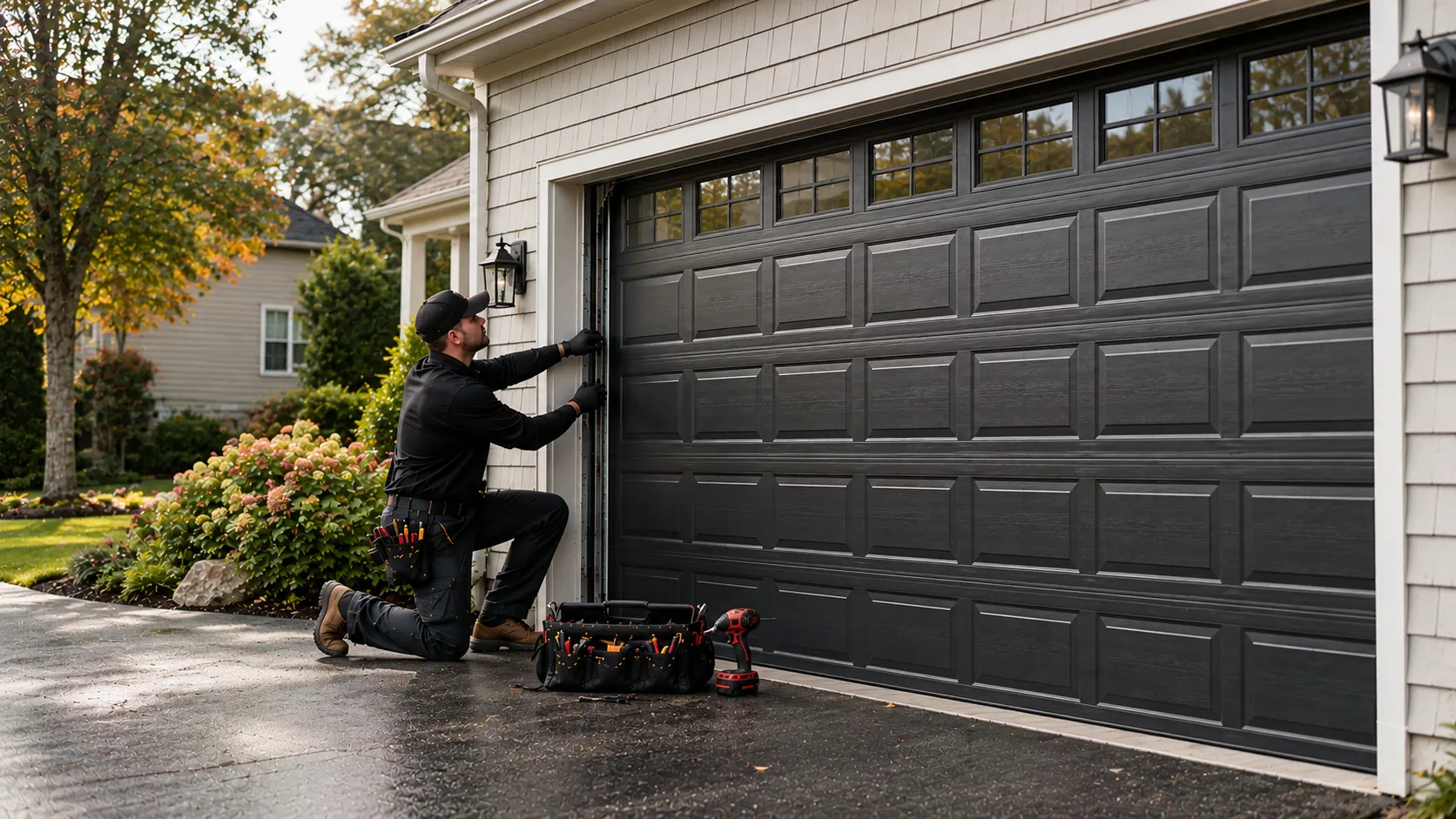
How We Can Help
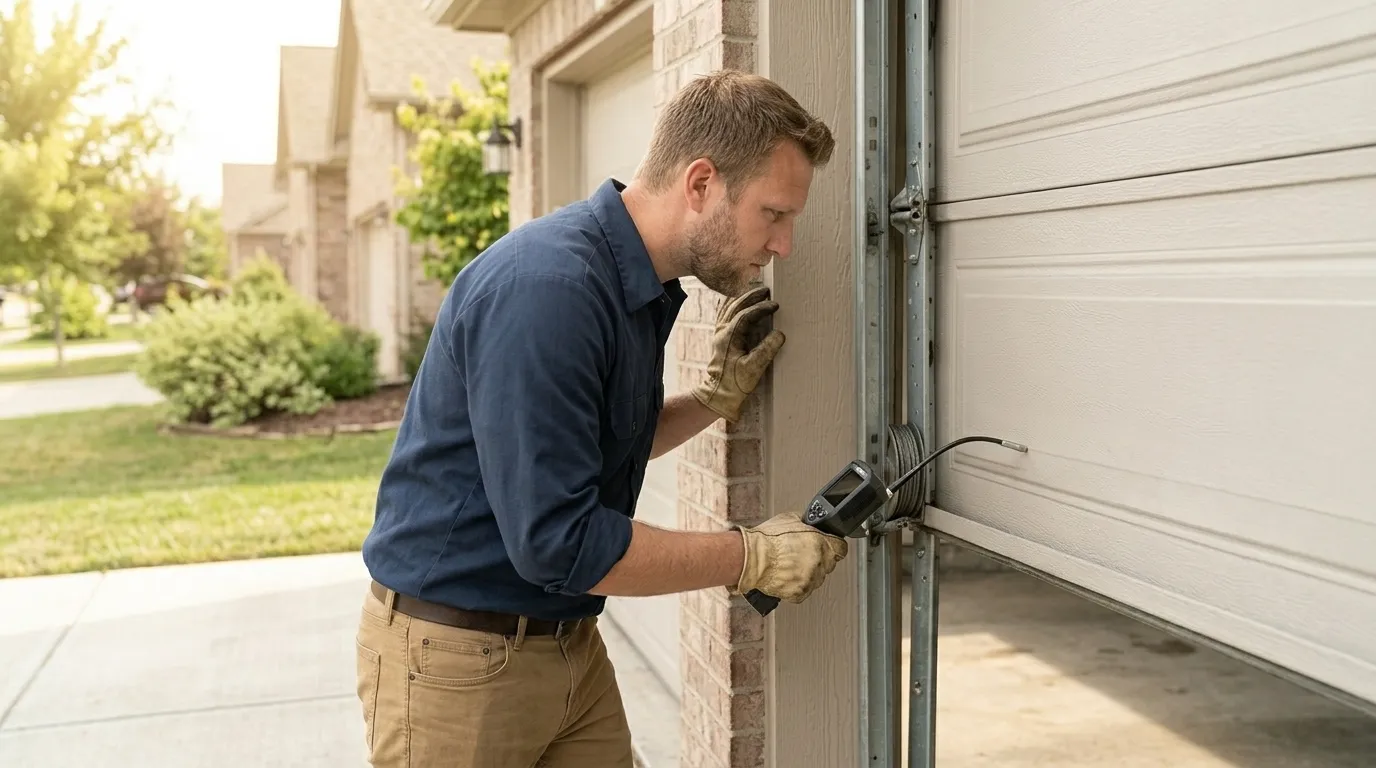
Garage Door Repair
Springs, cables, tracks, rollers, and openers fixed by a tech who explains the problem before touching anything.
Learn more →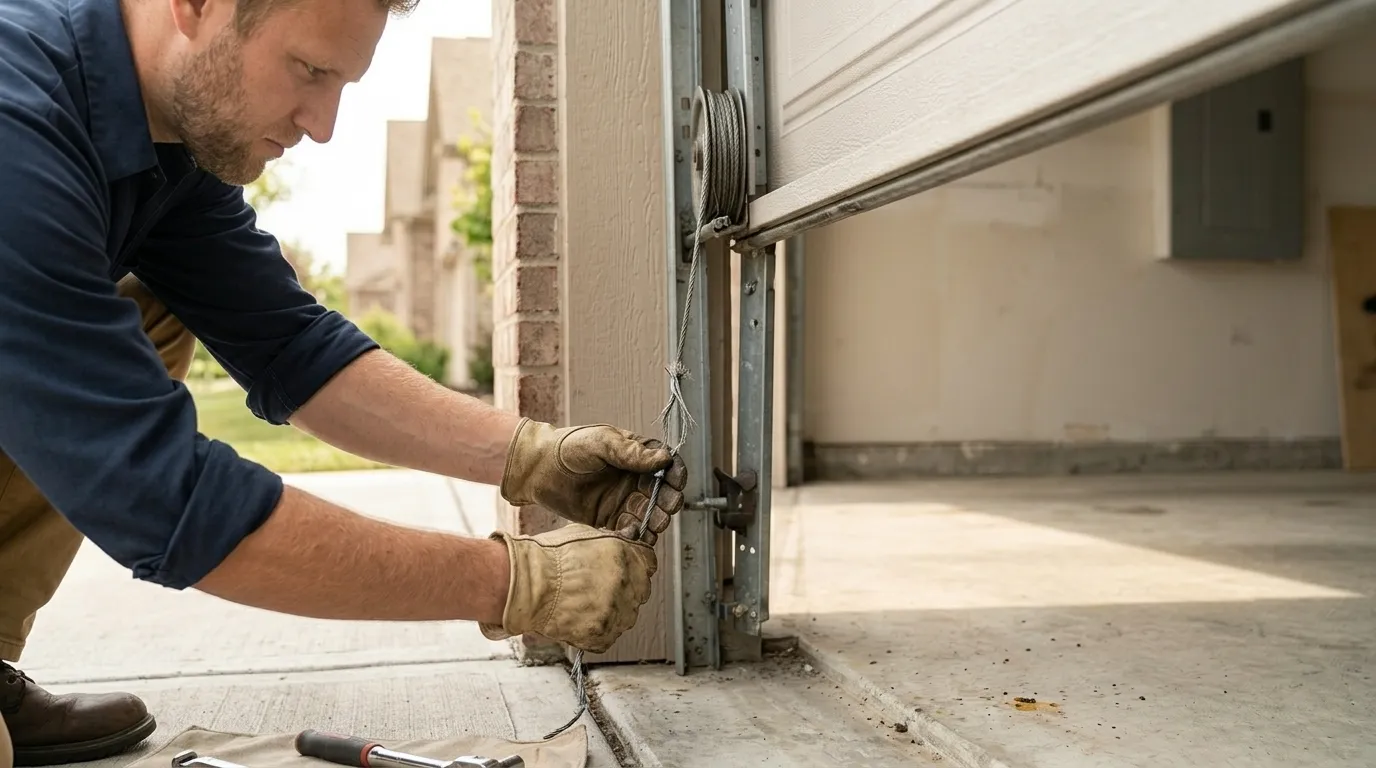
Garage Door Service
Tune-ups, lubrication, and safety checks that catch a small problem before it becomes a service call.
Learn more →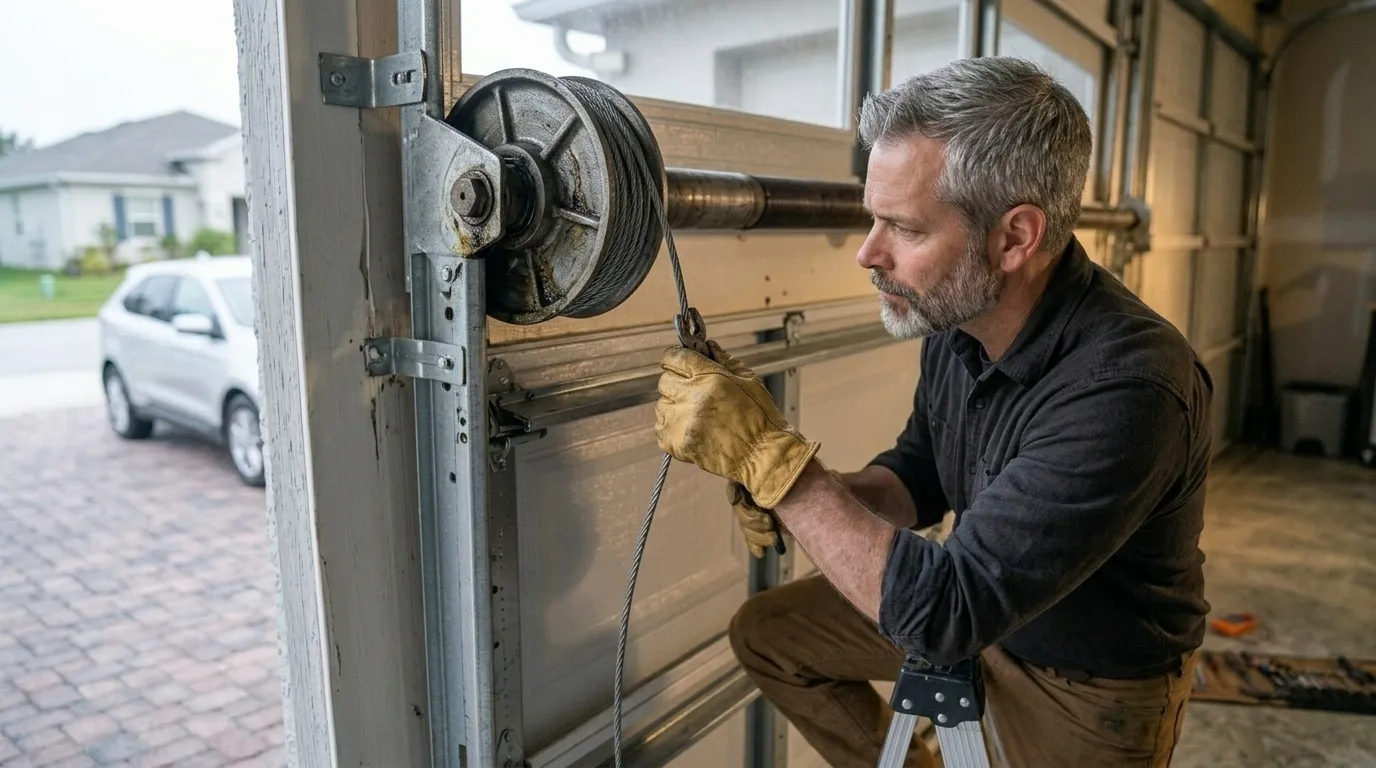
Garage Door Off Track
Doors that jumped the track reset safely, with rollers and alignment checked so it holds.
Learn more →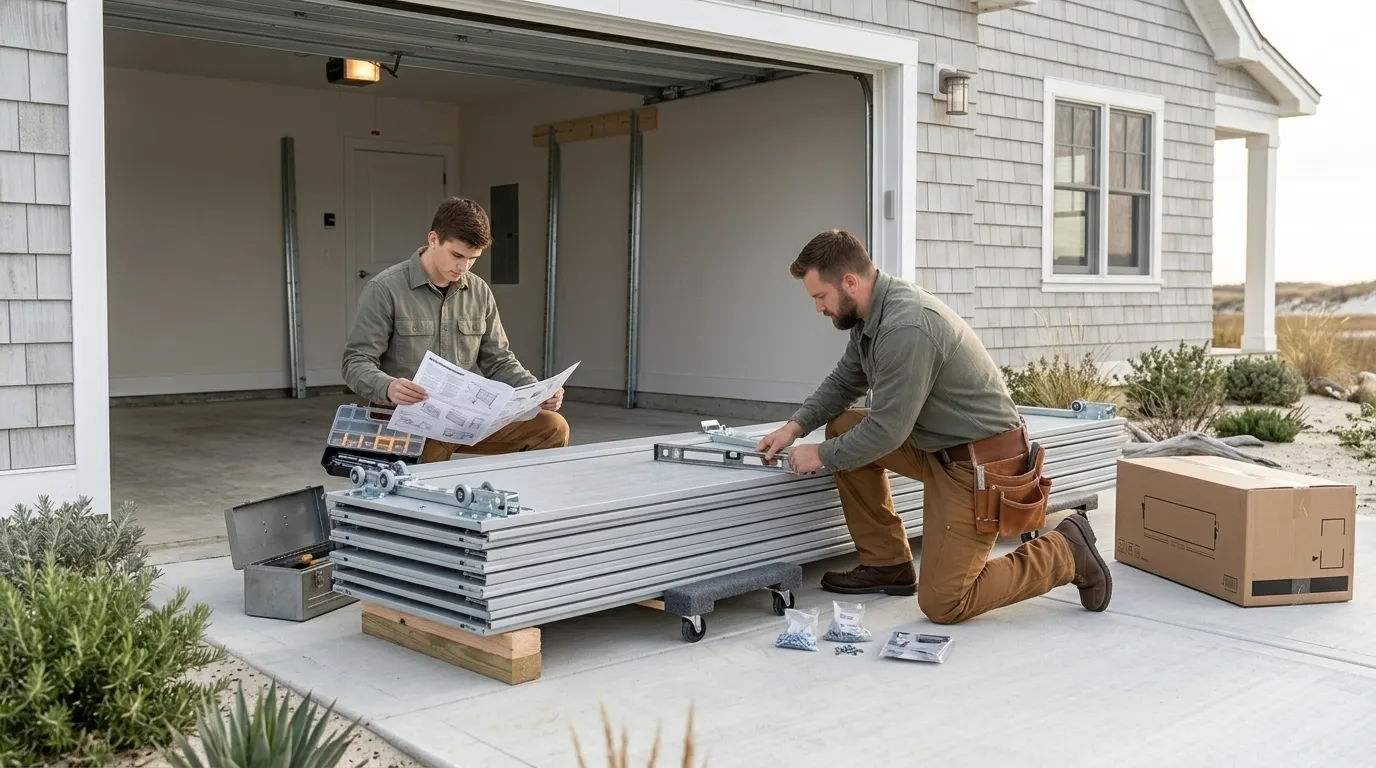
Garage Door Installation
New sectional doors sized and installed for the housing stock actually built in this area.
Learn more →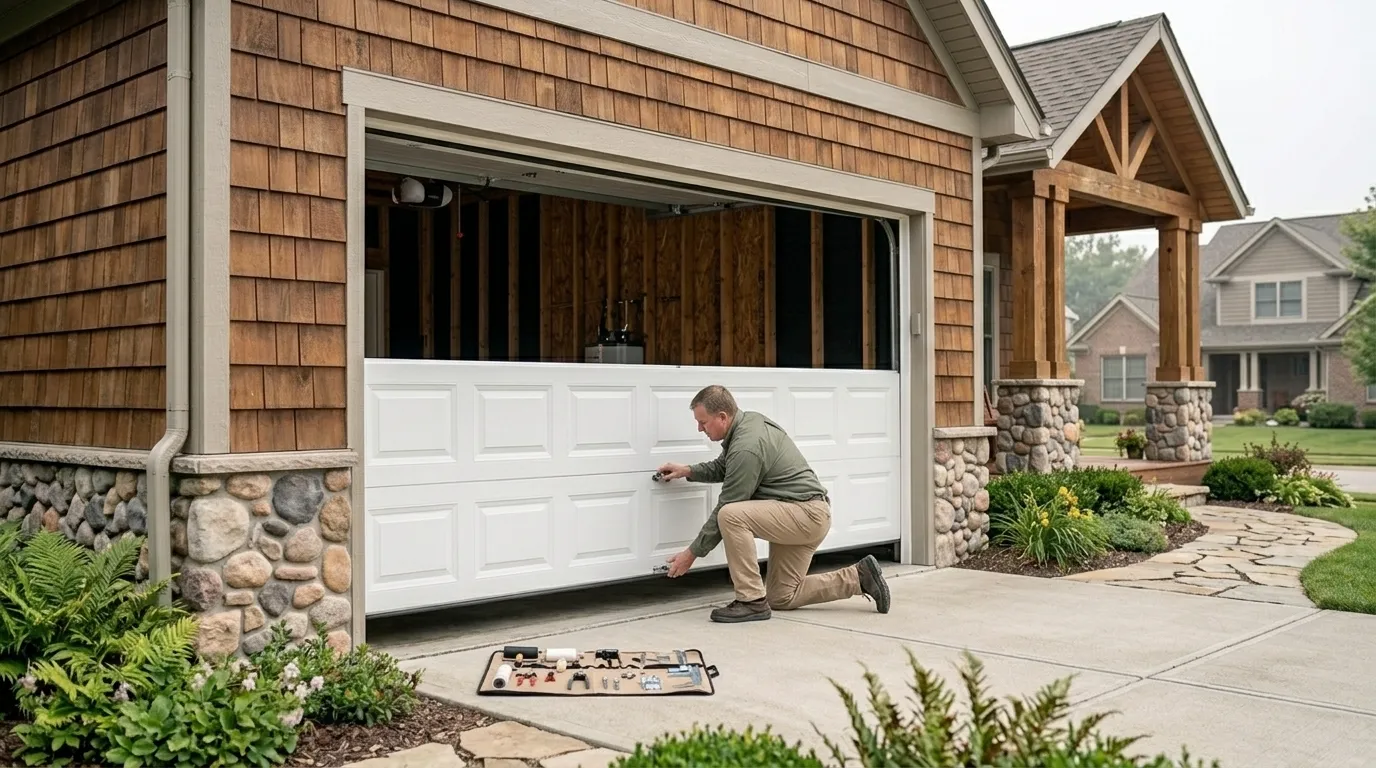
Emergency Garage Door Repair
Emergency Garage Door Repair handled by trained, insured local technicians with upfront pricing.
Learn more →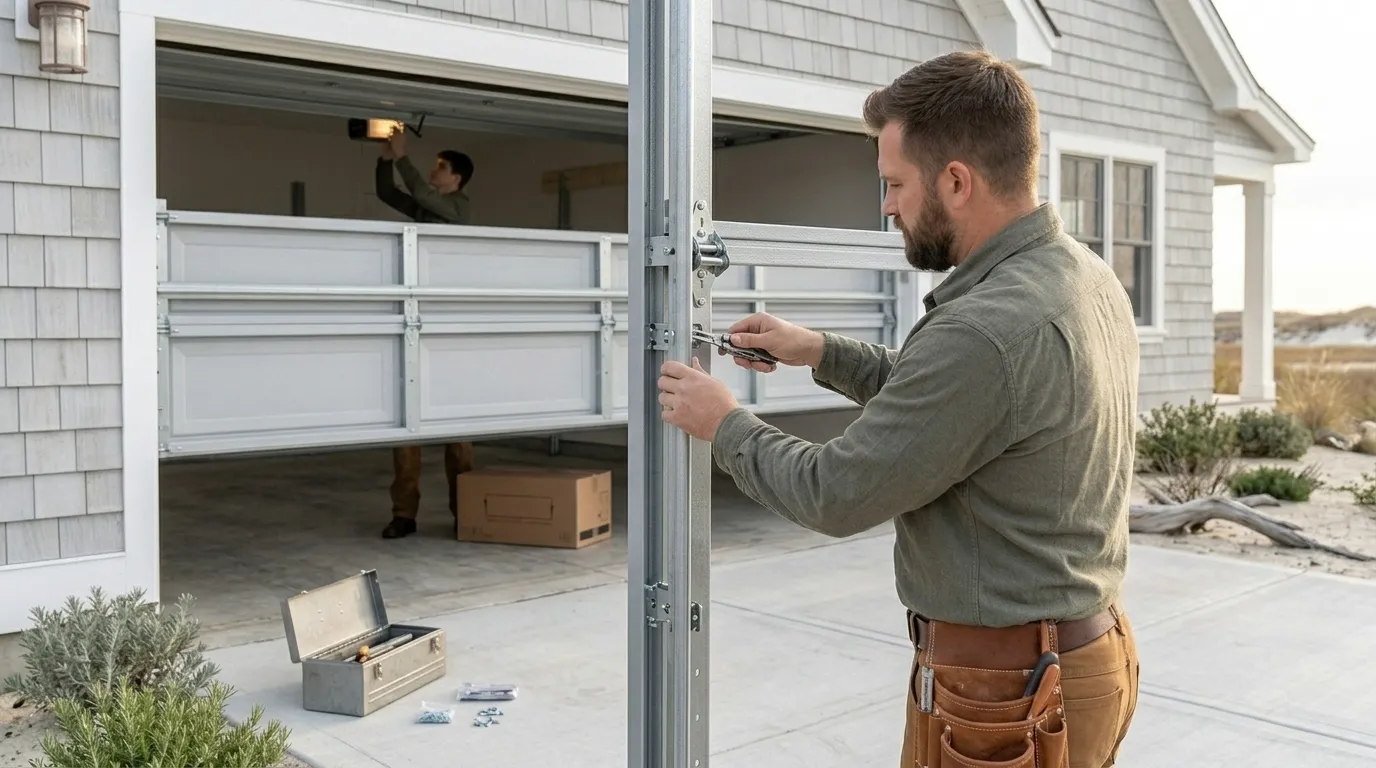
Garage Door Panel Replacement
Dented or cracked panels swapped without replacing the whole door where the frame is sound.
Learn more →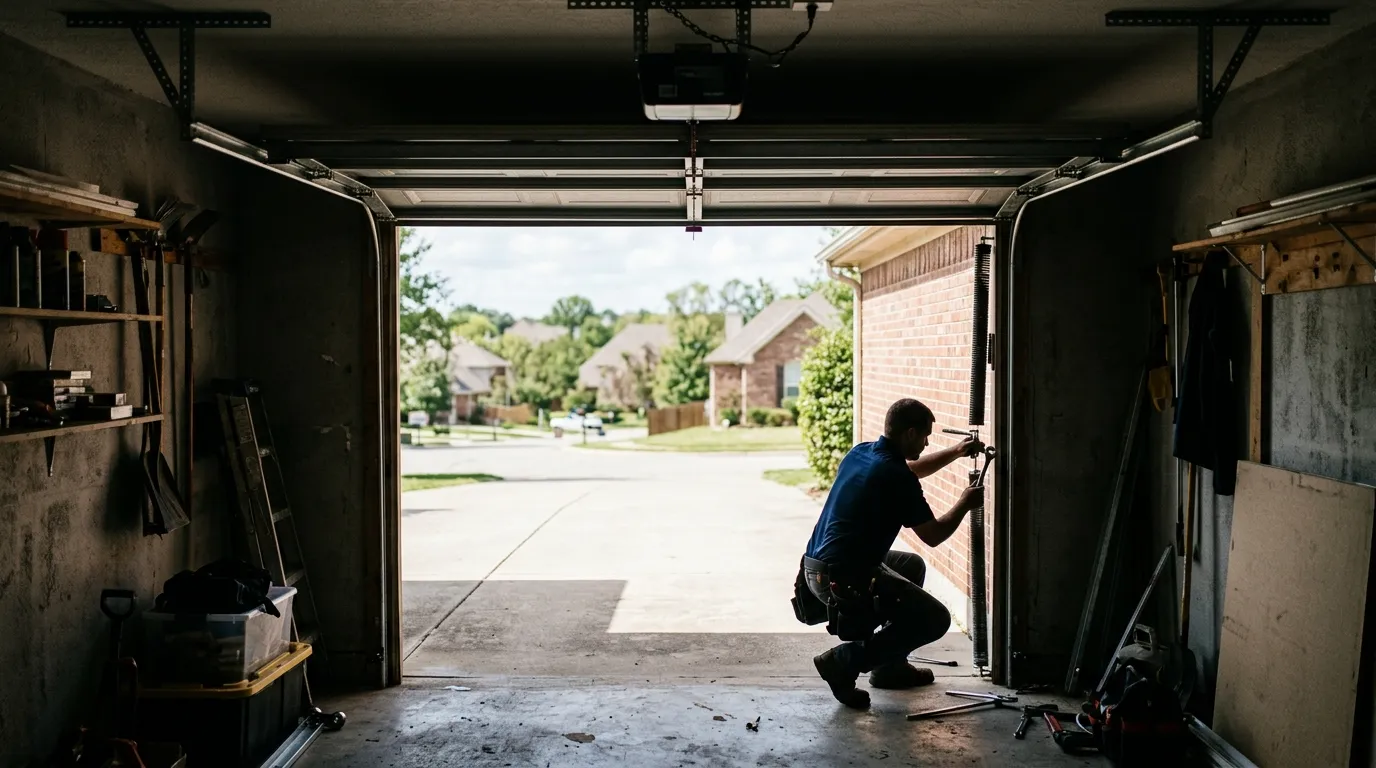
Garage Door Cable Repair
Frayed or snapped lift cables replaced and tensioned so the door lifts level and safe.
Learn more →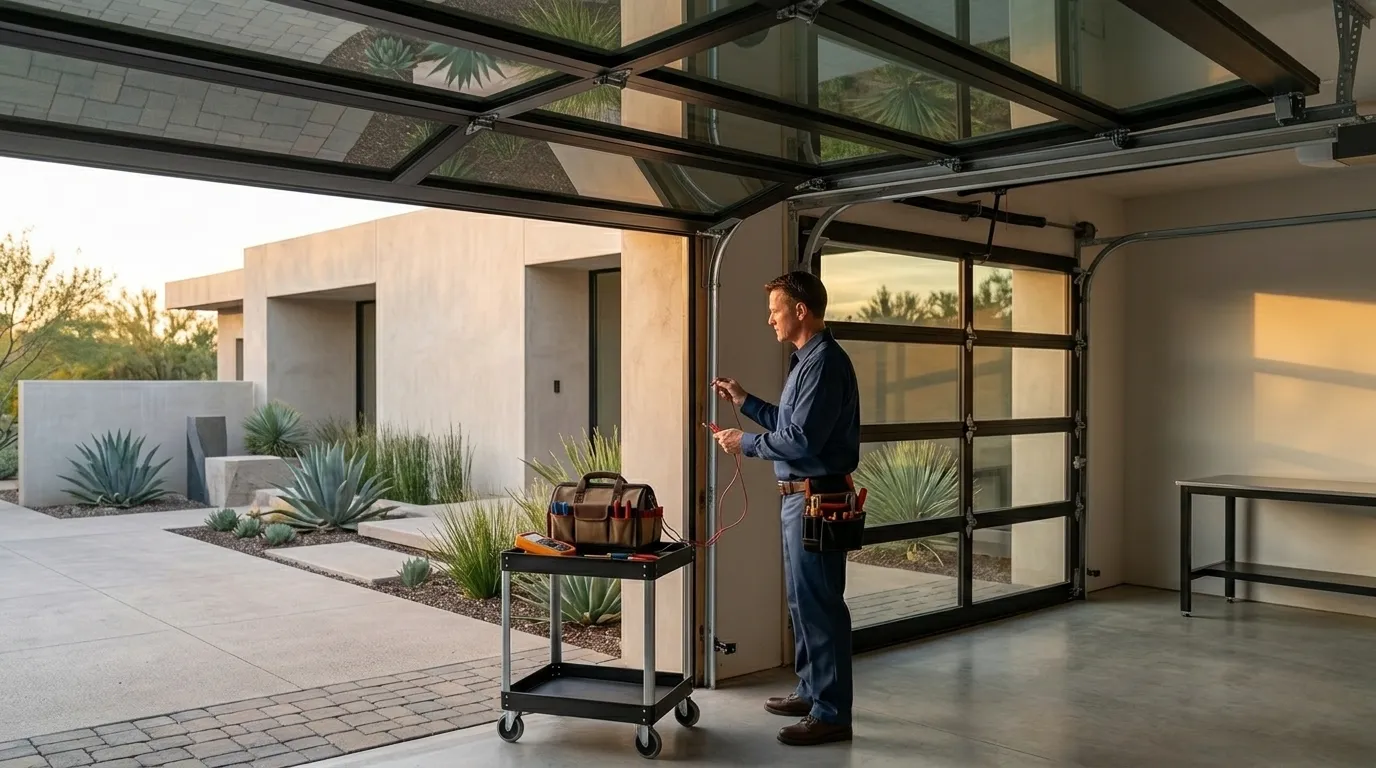
Garage Door Opener Repair
Openers that hum, stall, or reverse - diagnosed and fixed, from worn gears to logic boards.
Learn more →Why Hamilton Calls Us
Local facts, not a franchise script.
What Happens When You Call
-
1
Call or Request a Quote
Tell us what the door is doing and roughly how old the house is - that alone points us toward the likely part before a truck leaves.
-
2
On-Site Diagnosis
A tech checks the spring, cables, tracks, and opener in person and tells you plainly what is actually wrong.
-
3
Straight Price, No Surprises
You get a number before any work starts. It covers parts and labor, nothing added after the fact.
-
4
Fixed the Same Visit
Most repairs are done in one trip. If a part needs sourcing, we tell you that upfront instead of guessing.
How the Visit Works
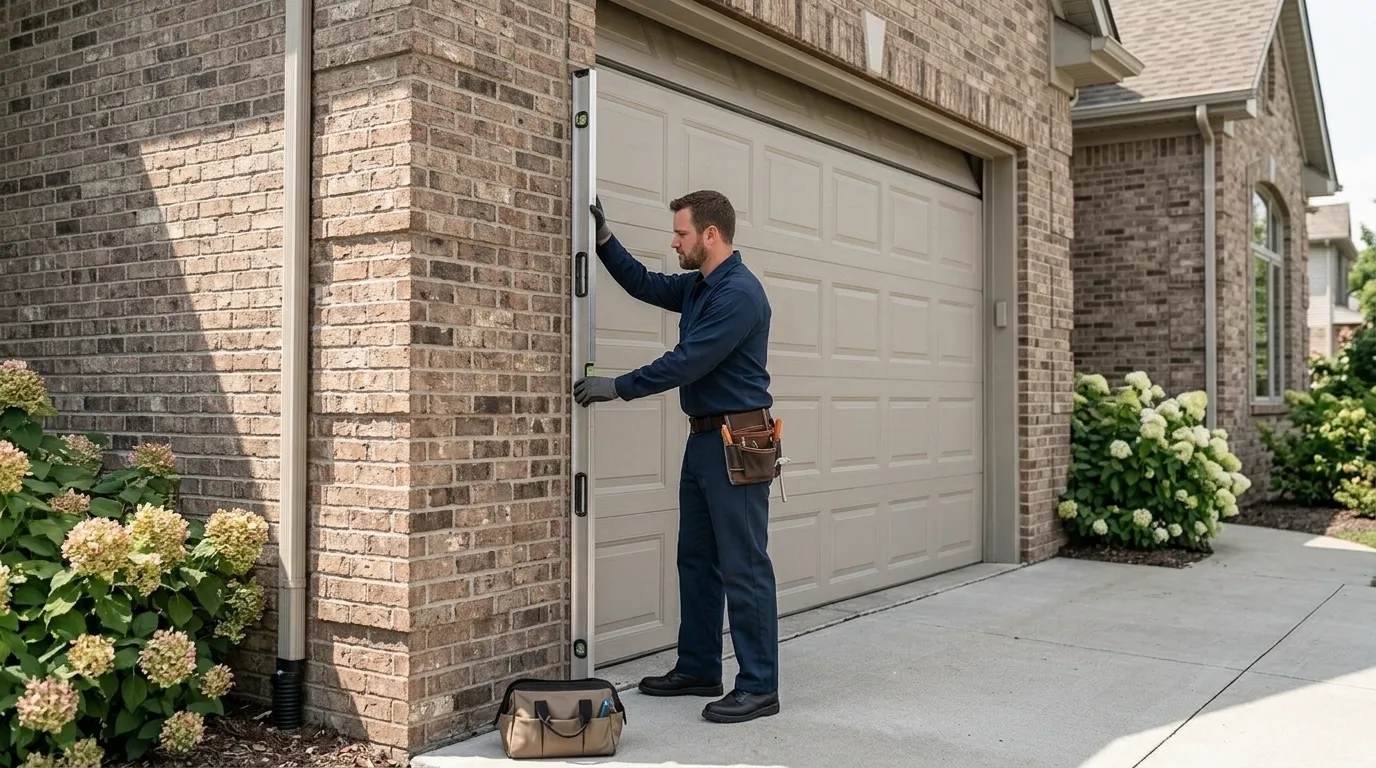
When we pick up the phone, the first thing we ask about is the door's age, not just what's wrong with it. That matters here because most houses in this service area went up somewhere between 1938 and 2004, with the heaviest concentration in the 1960s and 70s. A door on a house from that era is built on hardware and section sizes that aren't always what's on the shelf at a big box store, so we bring a range of spring sizes and track hardware on the truck rather than guessing after we arrive.
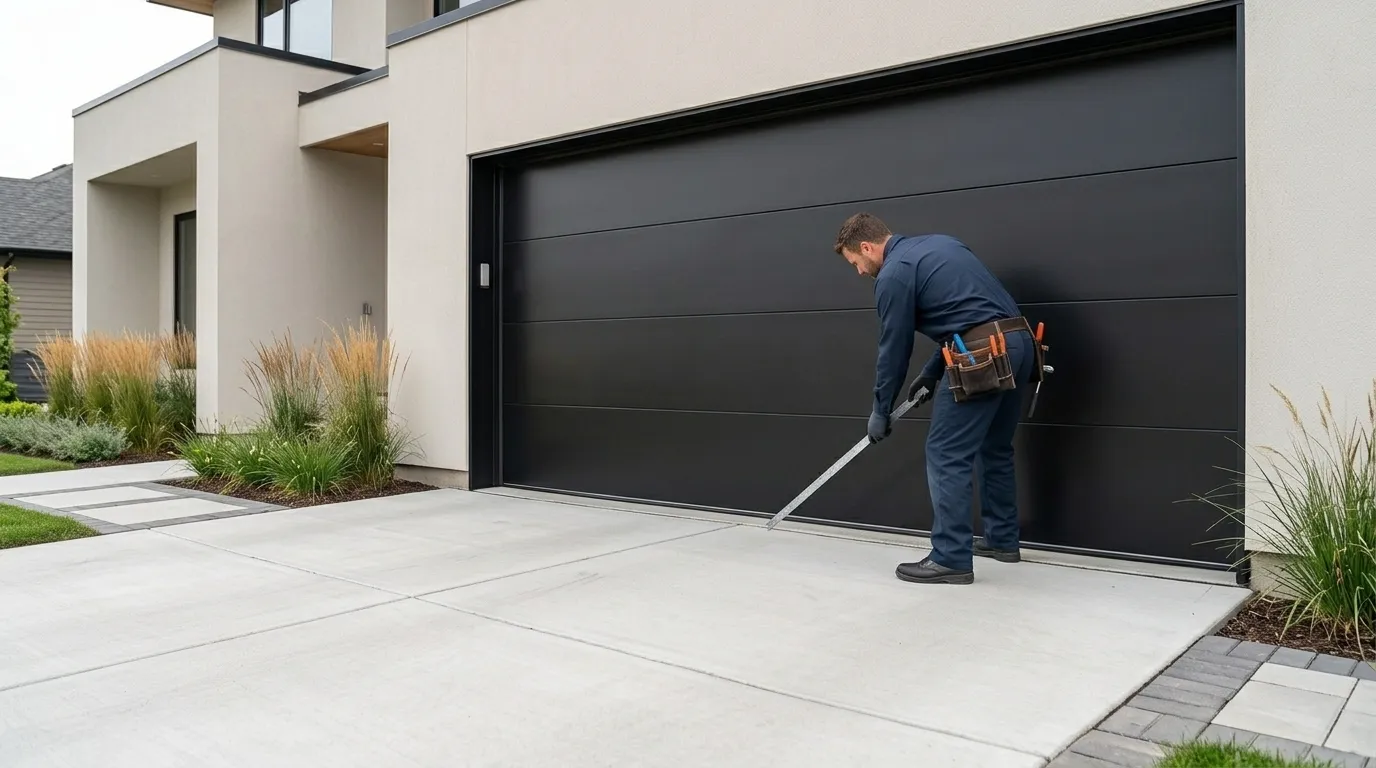
On site, we check the springs, the cable condition, the track alignment, and the opener before we quote anything. If your panel or track was custom-cut for an older frame, we tell you that up front instead of promising a same-day swap we can't back up. Most calls end with a repair finished the same visit.
Full replacements on non-standard openings sometimes need a return trip once the right panel comes in - we'd rather say that now than leave you with a door held shut by a ratchet strap.
What Breaks Around Here
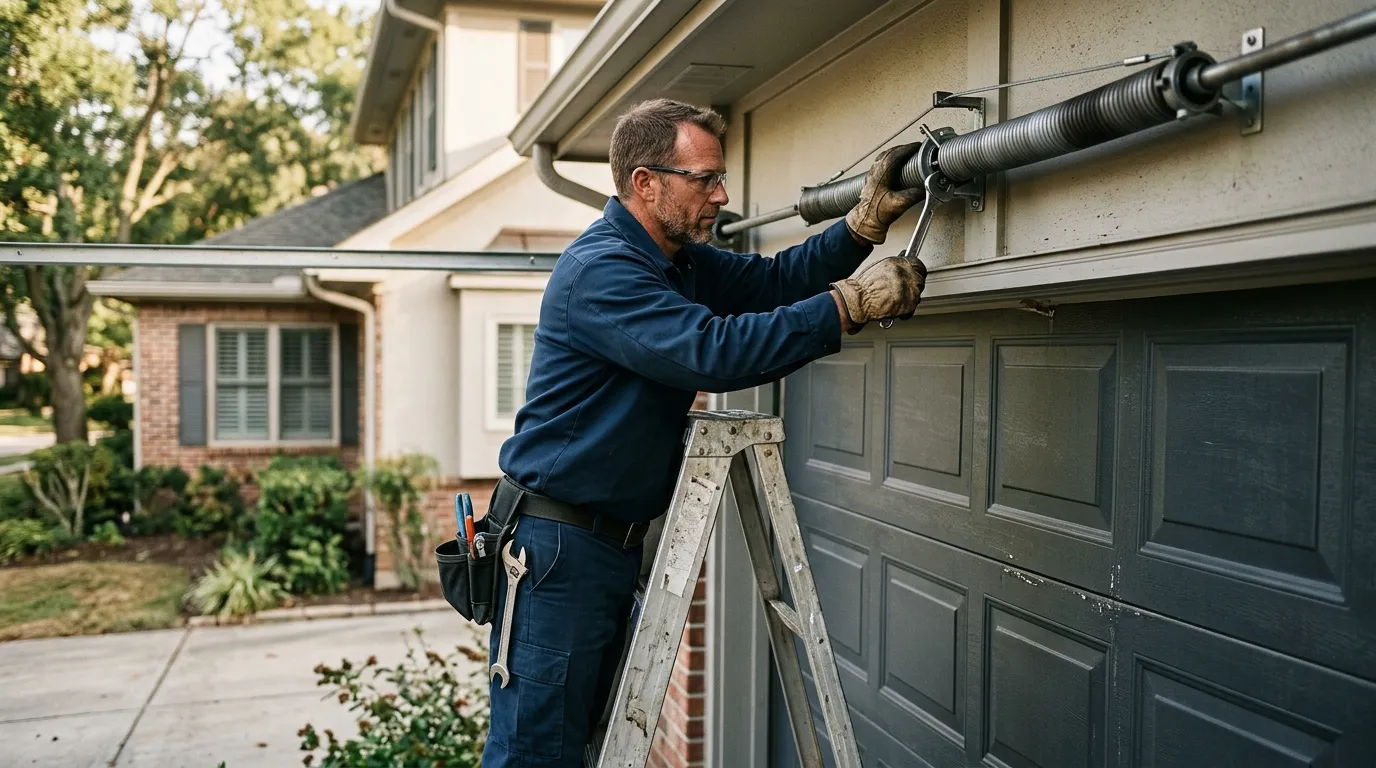
Hamilton sits in a cold-severe climate band, and that shows up in the calls we get every winter. Steel torsion springs lose tension faster in repeated freeze-thaw cycles, and a spring that was fine in October snaps in January without warning. On the older end of the stock - doors going back toward that 1938 start date - we see rollers worn oval, hinges rusted at the pivot, and single-layer steel panels with rust starting at the bottom seam where snowmelt sits.
On the 1960s-70s houses that make up most of the neighborhoods here, the common failure is the original torsion spring finally giving out after decades, or an opener from a later retrofit that was never matched to the door's actual weight. Openers strain harder in cold weather too, so a motor that's been slow to close all summer often stops working the first real cold snap. None of this is dramatic - it's wear, on a schedule set by the weather and the age of the door.
Where We Work
We're based in Hamilton and run calls through the surrounding towns without treating any of them as an afterthought. Fairfield is about 4 miles out, Seven Mile 6 miles, Pleasant Run 7 miles, and Ross and Beckett Ridge both sit around 8 miles. Forest Park, Trenton, and Springdale are also close, in the 8-9 mile range, with Greenhills, Olde West Chester, Northgate, Glendale, Northbrook, and Wetherington all around 10 miles.
Farther out we still cover Woodlawn, Mount Healthy, Monroe, Sharonville, Groesbeck, Wyoming, North College Hill, Oxford, Evendale, and Somerville in the 11-12 mile range, and Finneytown, White Oak, Lockland, Middletown, Reading, and Blue Ash between 12 and 14 miles. That's 30 named areas total. Drive time affects how fast we can get to you on a given day, but it doesn't change how we work once we're there.
Pricing, and What Drives It
We're not going to post a flat number here, because what a job costs depends on what's actually wrong and what the door is built like. A torsion spring swap on a standard double door costs less than a full panel replacement, and a door sized for an older 1960s-70s opening sometimes needs a part ordered rather than pulled off a shelf truck-side, which adds time but not necessarily a huge amount to the bill. Income levels here run a median of $77,312 across the service area, and what we see in practice is that most homeowners choose a targeted repair - spring, cable, roller - over a full door replacement when the frame and track are still sound.
Replacement only makes sense once the section steel is rusted through or the door's been patched more than once already. We'll tell you plainly if your door is at that point rather than billing you for a repair that won't hold.
The Area and Its Housing
Across the service area there are 208,045 households, with 101,416 of those owner-occupied houses - a lot of garages, and a lot of original hardware still in place. The housing stock spans 1938 to 2004, but the median build year is 1972, and that lines up with what we see truck to truck: most of the 55 named neighborhoods we cover are dominated by 1960s and 70s construction.
That means single-car and double-car openings sized to specs that were standard fifty years ago, steel sectional doors from a handful of manufacturers that were common at the time, and openers that have often been swapped once or twice since the house was built but rarely upgraded to match the door's actual weight and balance. If you're not sure how old your door's hardware is, the house's build decade is usually a good clue - and we can confirm the rest in five minutes on site.
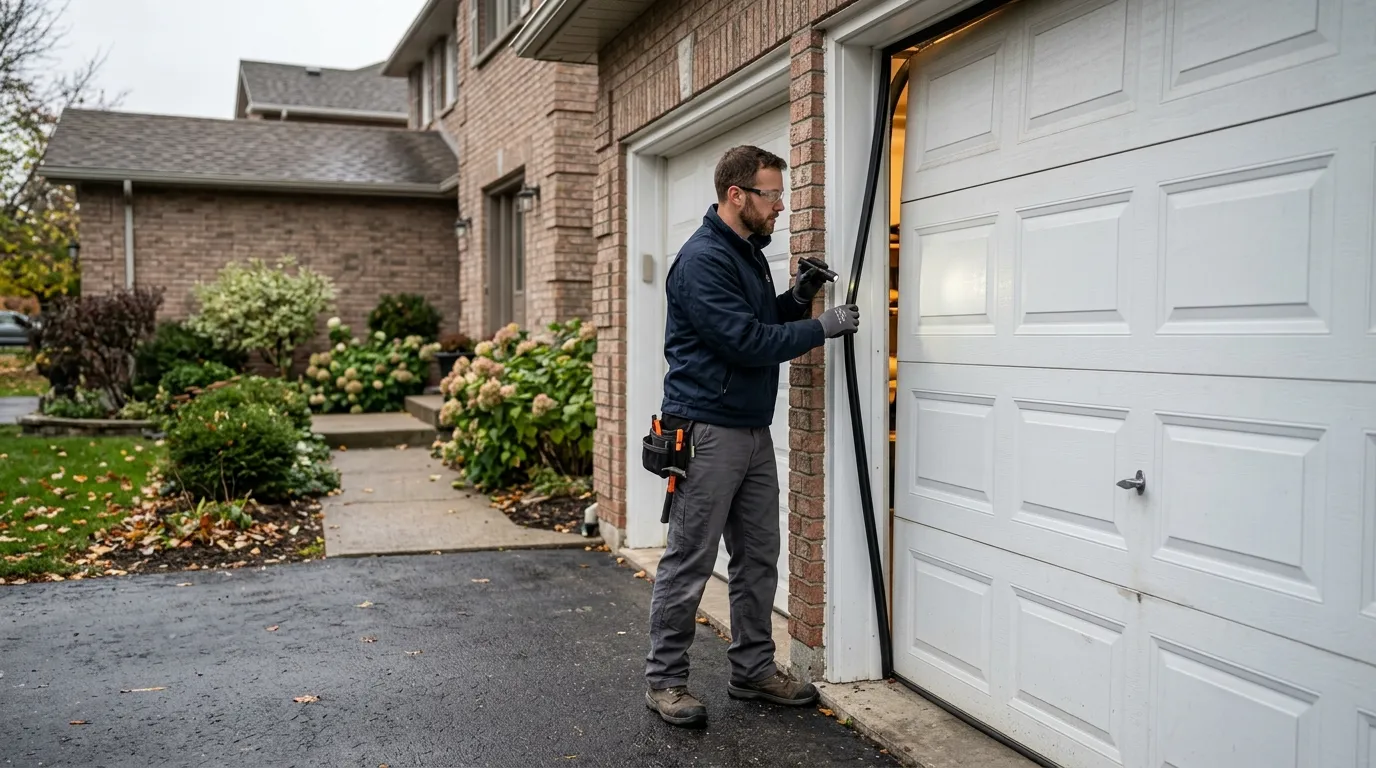
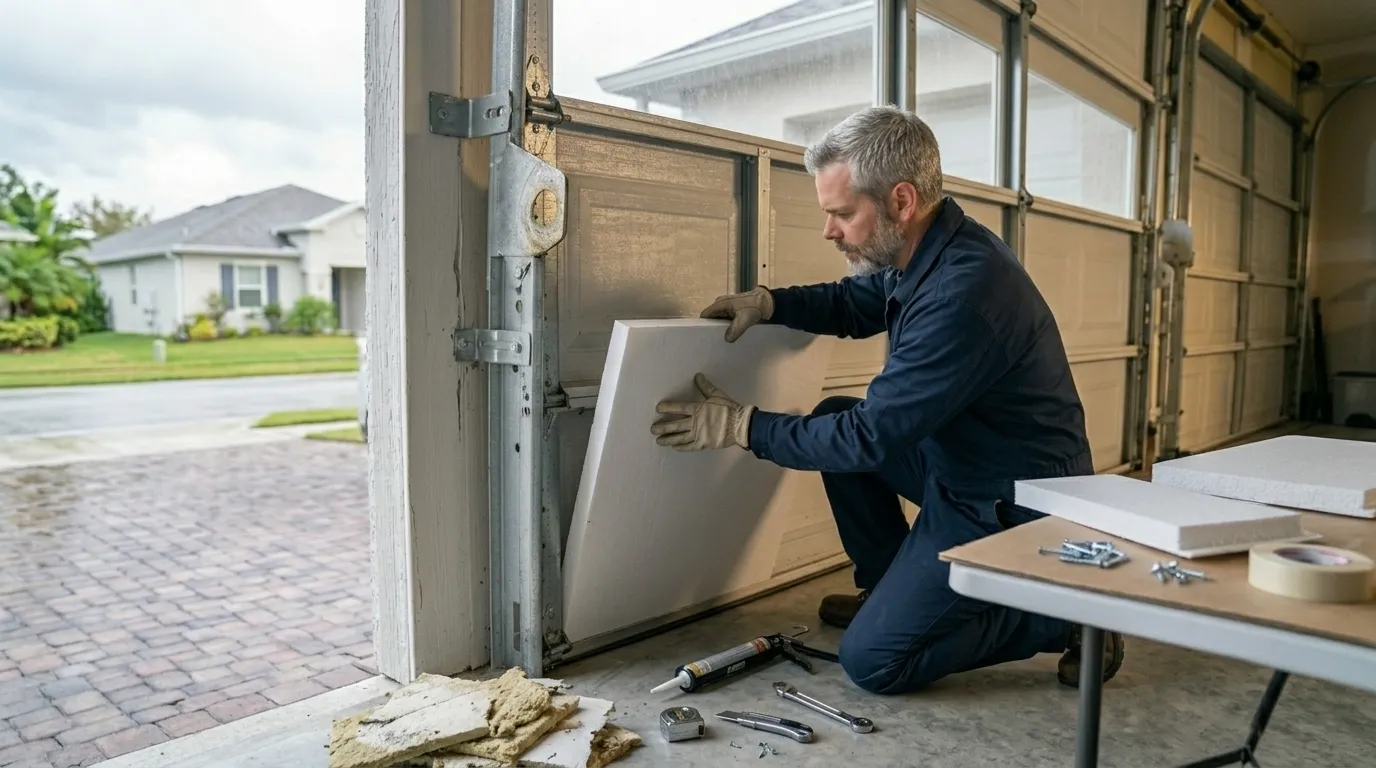
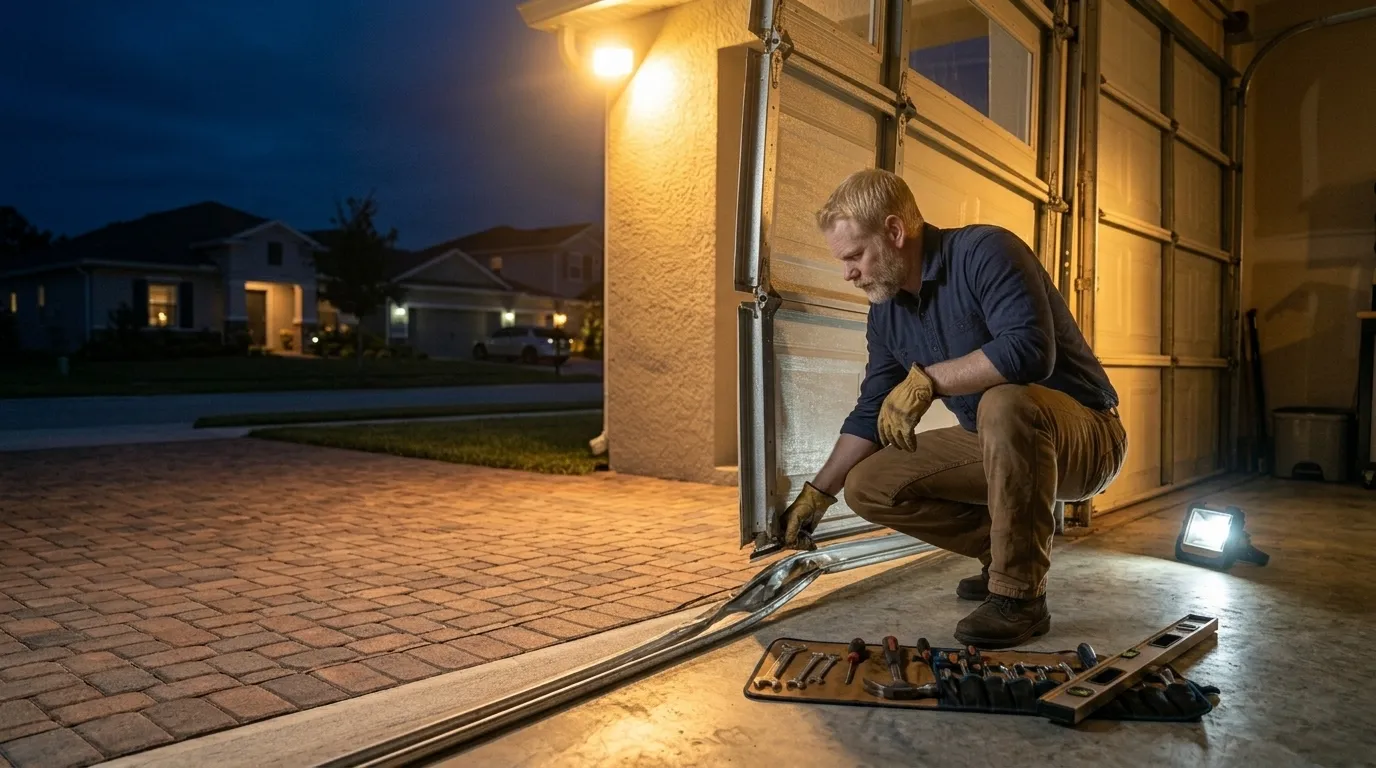
Recent Work Around Hamilton
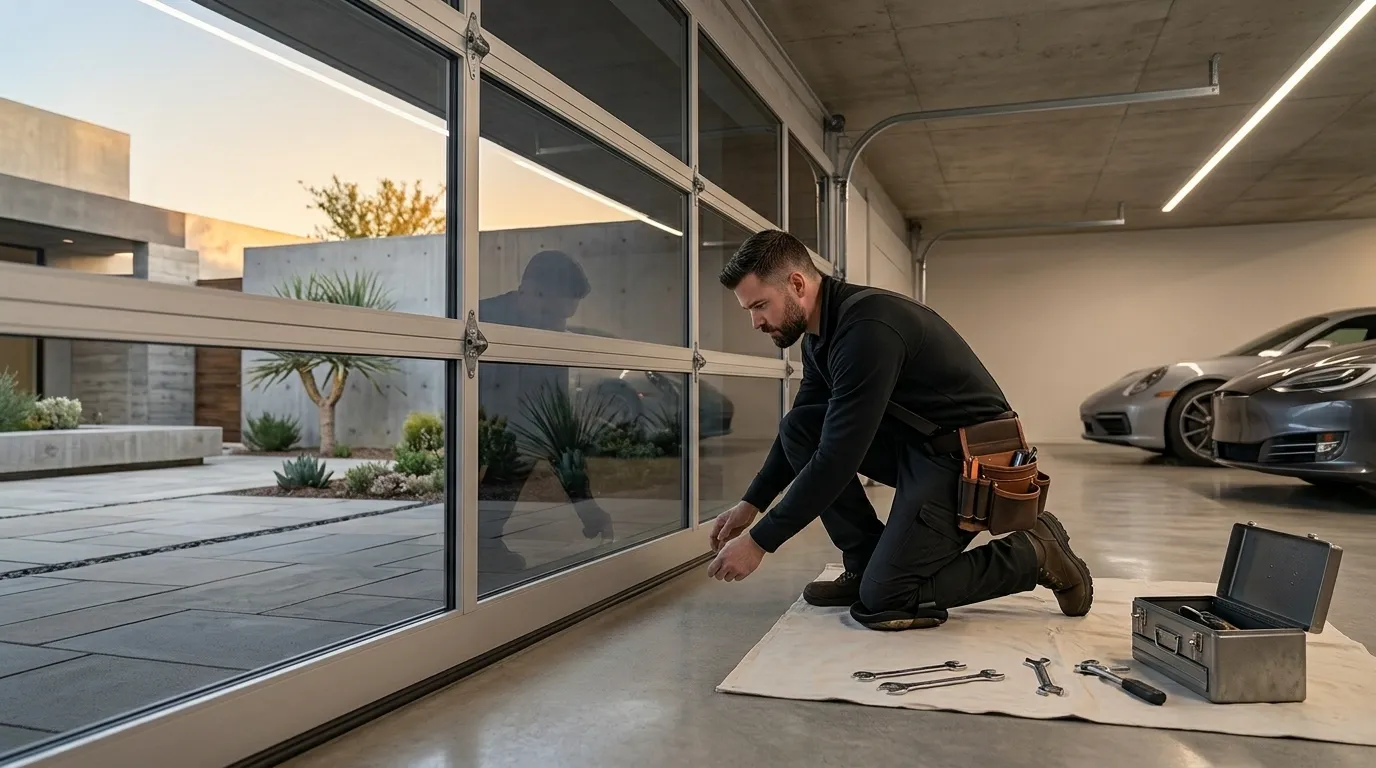
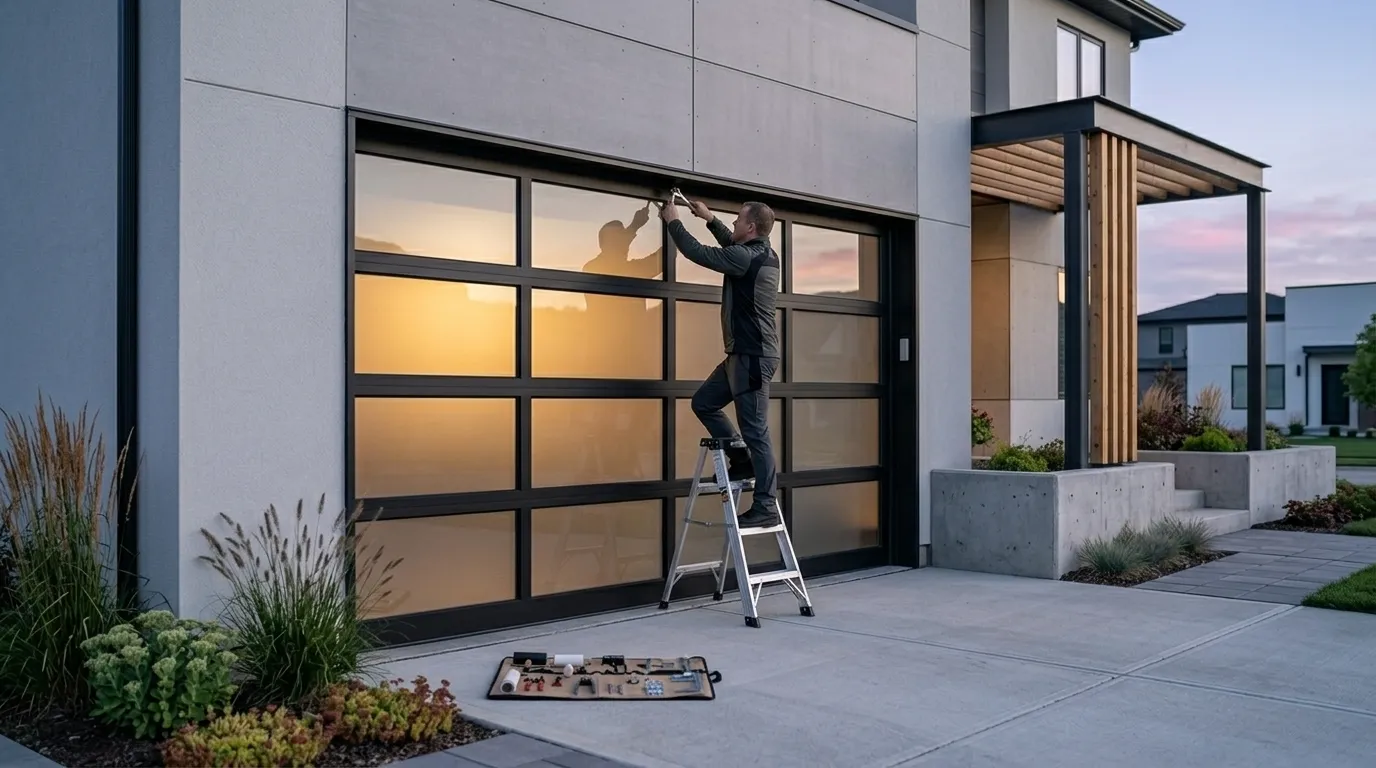
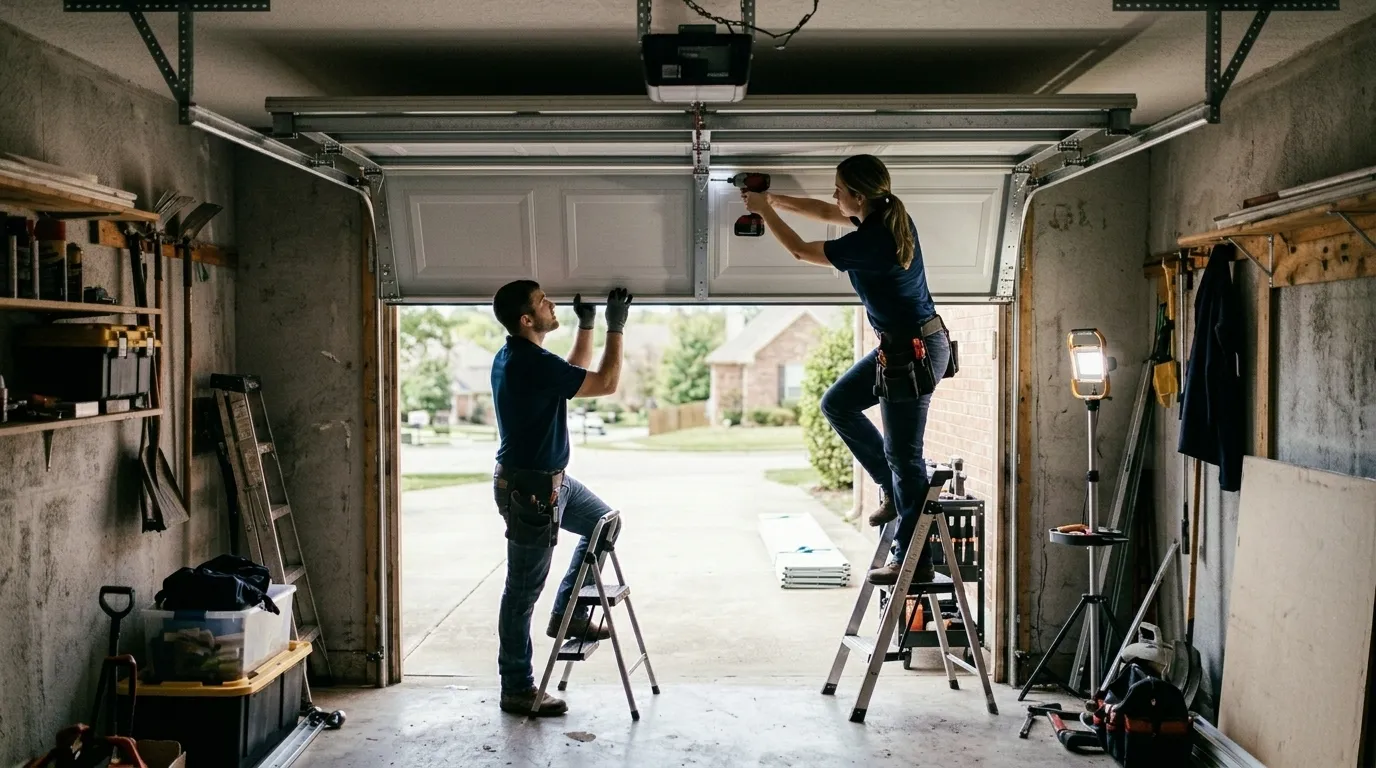
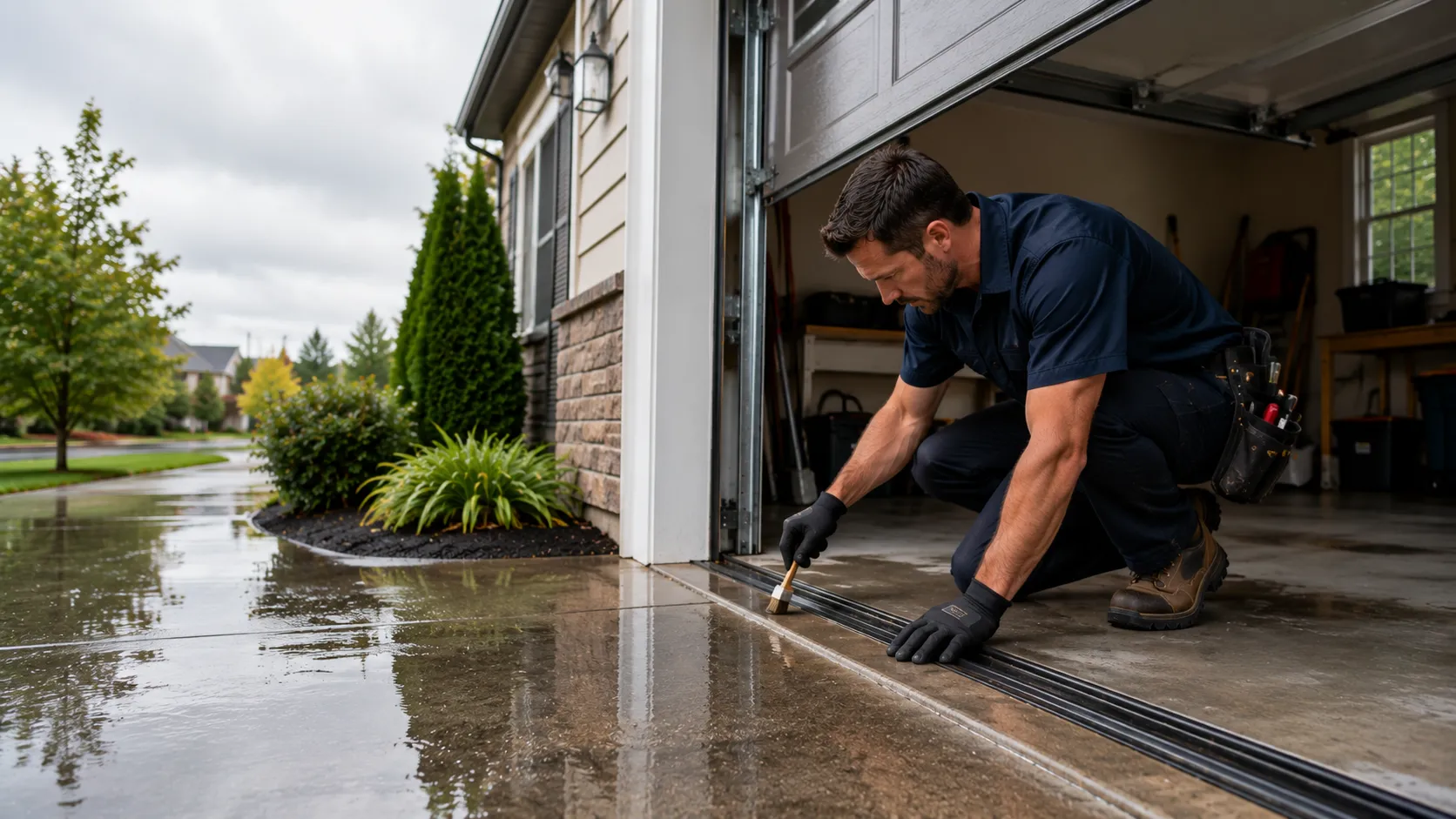
A look at the doors, springs, and openers our crew has been on lately.
Frequently Asked Questions
Do you work on doors built in the 1960s or 70s that don't match modern sizes?
Yes. A lot of the houses in this area were built during that stretch, and their door openings and hardware weren't always standardized the way newer construction is. We carry a range of spring sizes and track hardware, and when a part isn't something we stock, we tell you that and get it ordered rather than forcing a fit that won't hold.
Why did my spring snap in the winter with no warning?
Cold weather is hard on torsion springs. In a severe cold climate like this one, repeated freeze-thaw cycles stress the steel, and a spring that was already near the end of its life often fails on the coldest days rather than gradually. It's rarely sudden damage - it's wear that finally caught up.
Is it cheaper to repair or replace an old door?
Depends on the door. If the track and frame are sound and it's a spring, cable, or roller problem, repair is almost always the lower-cost and faster option. Once the panel steel is rusted through or the door's been patched multiple times, replacement usually costs less over time than another round of repairs.
How far out do you travel for a service call?
We're based in Hamilton and run regular calls out to towns like Fairfield, Seven Mile, Pleasant Run, Ross, and Beckett Ridge, plus farther towns out to Blue Ash and Middletown. Distance affects scheduling more than anything else - the work itself doesn't change based on how far the drive is.
Ready to Get Your Door Fixed Right?
Call now or request a quote online, and we will tell you straight what your door needs.