
Hamilton Garage Door Guide
What Homeowners in Hamilton Pay for a New Garage Door
Buying a replacement garage door in Hamilton, OH? See how the city's 1960s-70s housing stock and severe cold winters shape sizing, insulation, and total cost.
What You Pay
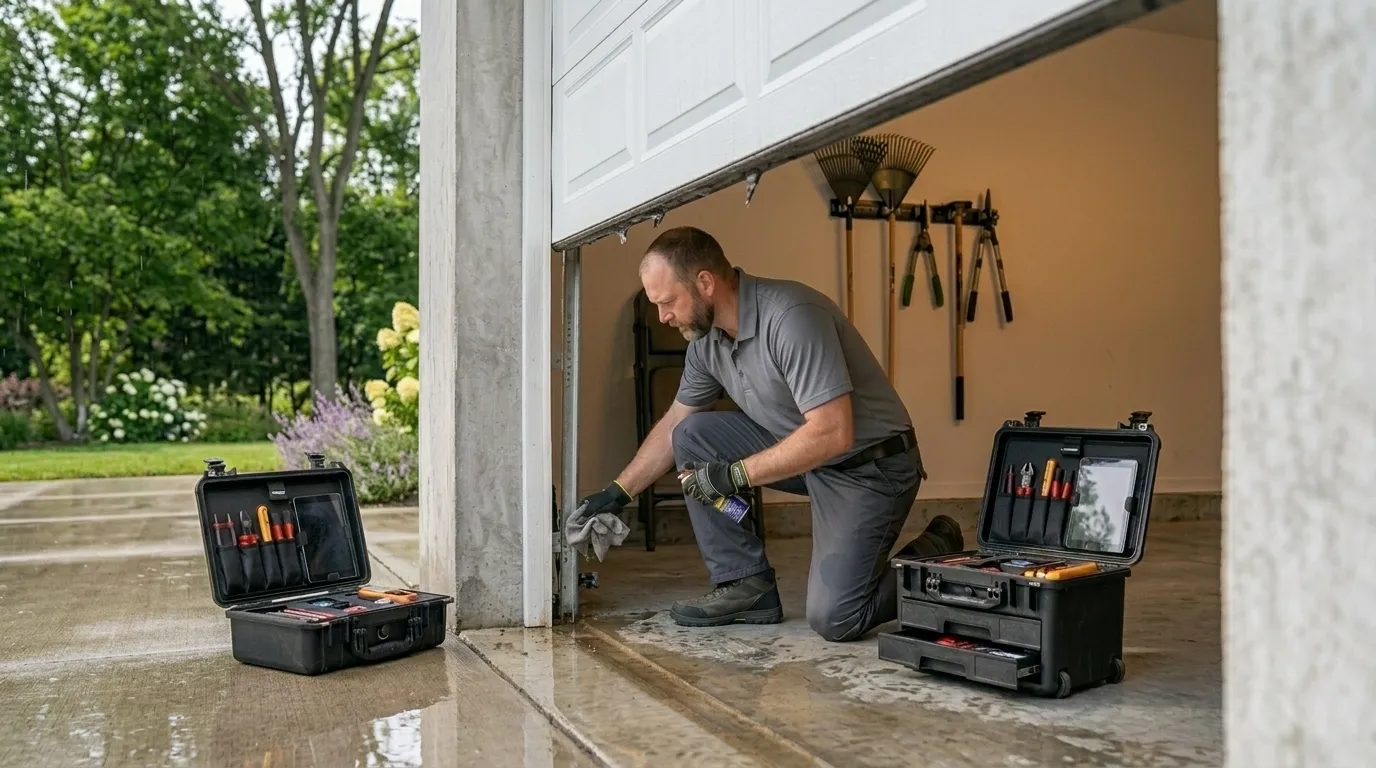
We won't put a number on this page that we can't back up, and we don't have a firm price on file to quote you here. What we can tell you is what actually moves the number on the invoice once we're standing in your driveway. Most houses in Hamilton went up between 1938 and 2004, with the median build year landing around 1972, and that era of construction usually means a single 8-foot or 9-foot opening framed for one door, not the 16-foot double bay a lot of newer builds get.
Matching a new door to an old jamb, header, and track spacing takes more labor than dropping a standard size into a house built last year. On top of that, the cold-and-severe climate this area sits in pushes most owners toward an insulated door rather than a bare steel skin, and insulation adds cost up front that it earns back in a warmer garage and less strain on the opener motor. We measure the opening, check the header for rot or settling, and look at what track and spring setup is already there before we say a dollar figure out loud.
Anyone who quotes you a price sight unseen is guessing.
The Problem
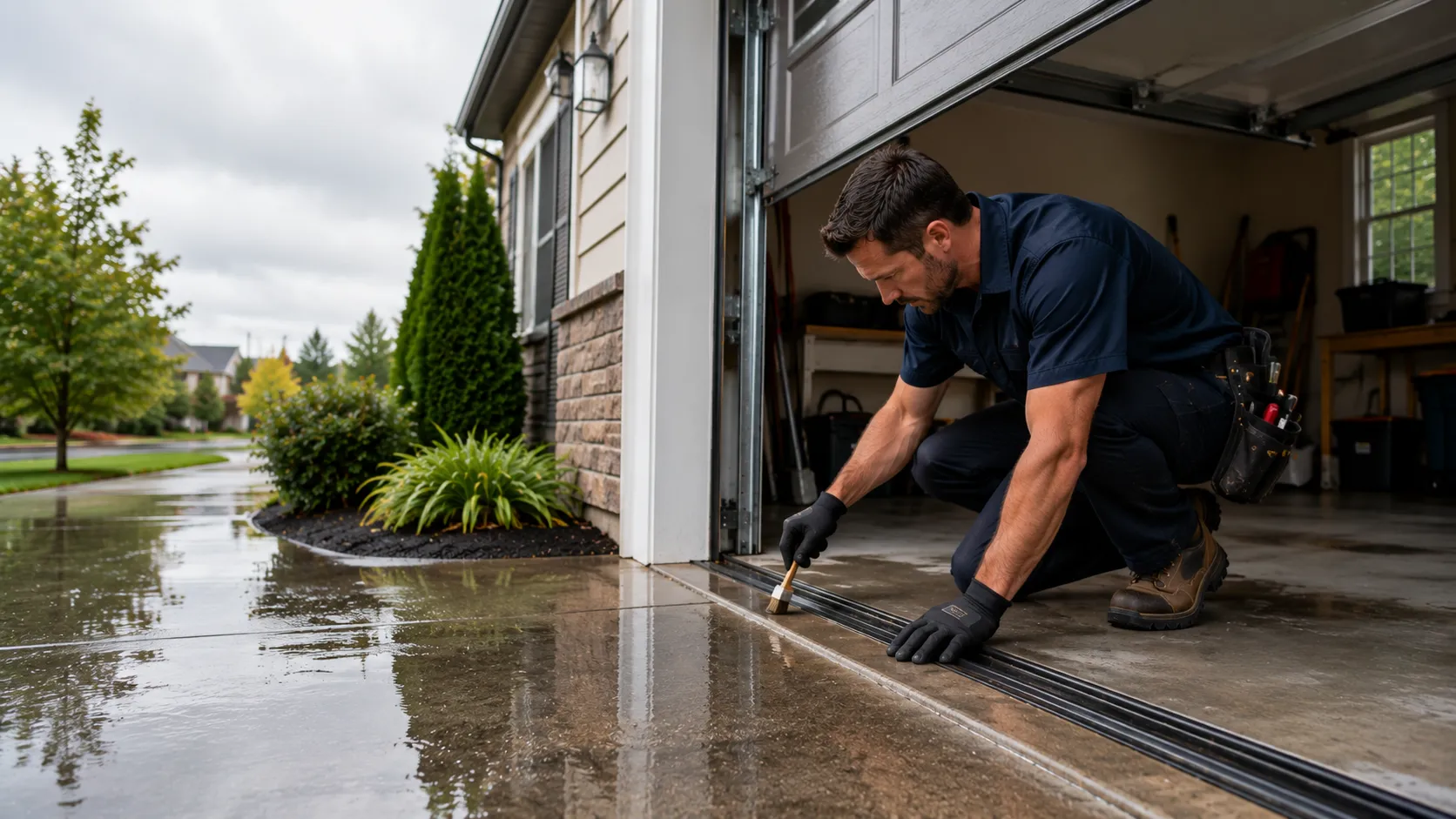
A lot of the garage doors we get called out on in Hamilton aren't broken so much as they're old in a way that's hard to see from the driveway. With most of the housing stock here dating to the 1960s and 70s, and the overall range running 1938 to 2004, plenty of doors are original to the house or close to it. That means single-layer steel or old wood panels, no insulation, and hardware sized for openers that don't exist anymore.
Torsion springs on doors that age have usually cycled tens of thousands of times through decades of cold Ohio winters, and steel that's been contracting and expanding since the Nixon administration doesn't hold its temper forever. The other issue is fit. An opening framed for a single 8 or 9-foot door in 1972 isn't the same rough opening as what gets framed today, so a modern off-the-shelf door sometimes needs jamb work to sit right.
None of this means every old door needs to come out. Plenty of them are still sound. But the failure mode in a house this age is rarely one thing going wrong all at once; it's a spring, a roller, and a section of track all wearing down together.
Checking It Yourself
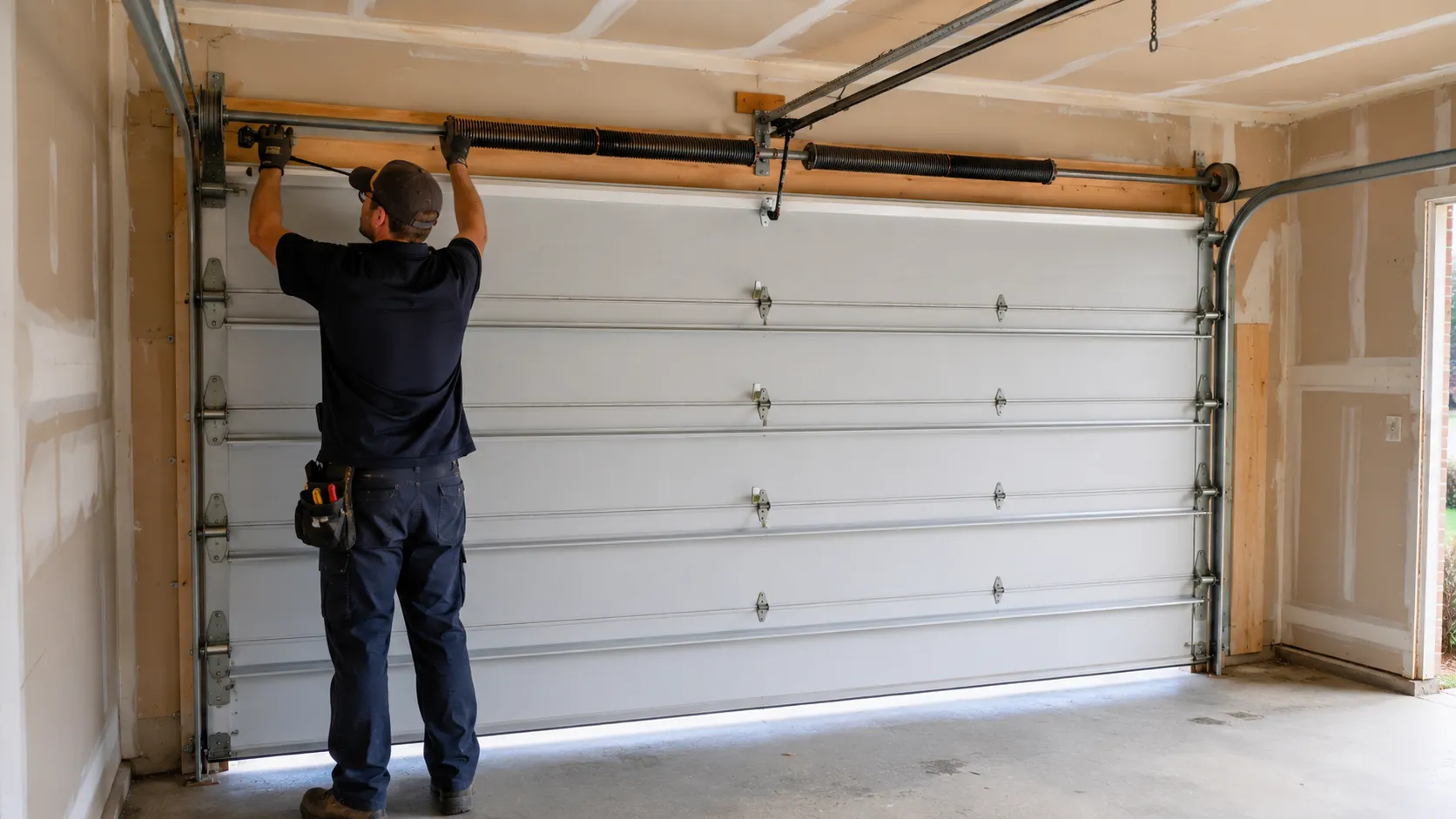
Before you call anyone, a few things you can check from inside the garage with the door closed. Look at the torsion spring above the door, if you have one, for a gap in the coil or a spring that looks stretched unevenly compared to the other side. Run your hand along the bottom weatherstrip, especially on a house built before the 1970s standard we mentioned above, and feel for daylight or a draft, since a cold-climate winter here will find every gap.
Check the track for rust pitting, which is common on doors that have sat through a lot of freeze-thaw cycles, and listen for a grinding sound rather than a smooth roll when the door moves. If a panel is dented enough to bow the track when the door closes, that's a job, not a patch. What we won't tell you to do is touch the torsion spring itself.
Those are wound under real tension and they've put people in the hospital. If the spring looks worn, that's the one call worth making instead of the one repair worth attempting.
What Local Conditions Do
Hamilton falls in a climate band the federal data marks cold and severe, and that matters more to a garage door than most owners realize. Grease in an old rail thickens in real cold, steel channel contracts enough to bind a roller that ran fine in October, and a torsion spring loses a little tension every winter it spends flexing through a temperature swing. Across the service area's 208,045 households, with 101,416 of those owner-occupied houses, most are still running hardware picked out before energy codes asked for anything close to today's insulation standard.
With a median household income of $77,312 in this area, a lot of the calls we get aren't about the cheapest door available, they're about matching the insulation value to the winters, since an attached garage without a sealed, insulated door pulls heat straight out of the house next to it. That's as true four miles out in Fairfield as it is eight miles south in Forest Park or ten miles north in Olde West Chester. The cold doesn't care what township line you're on.
How We Can Help
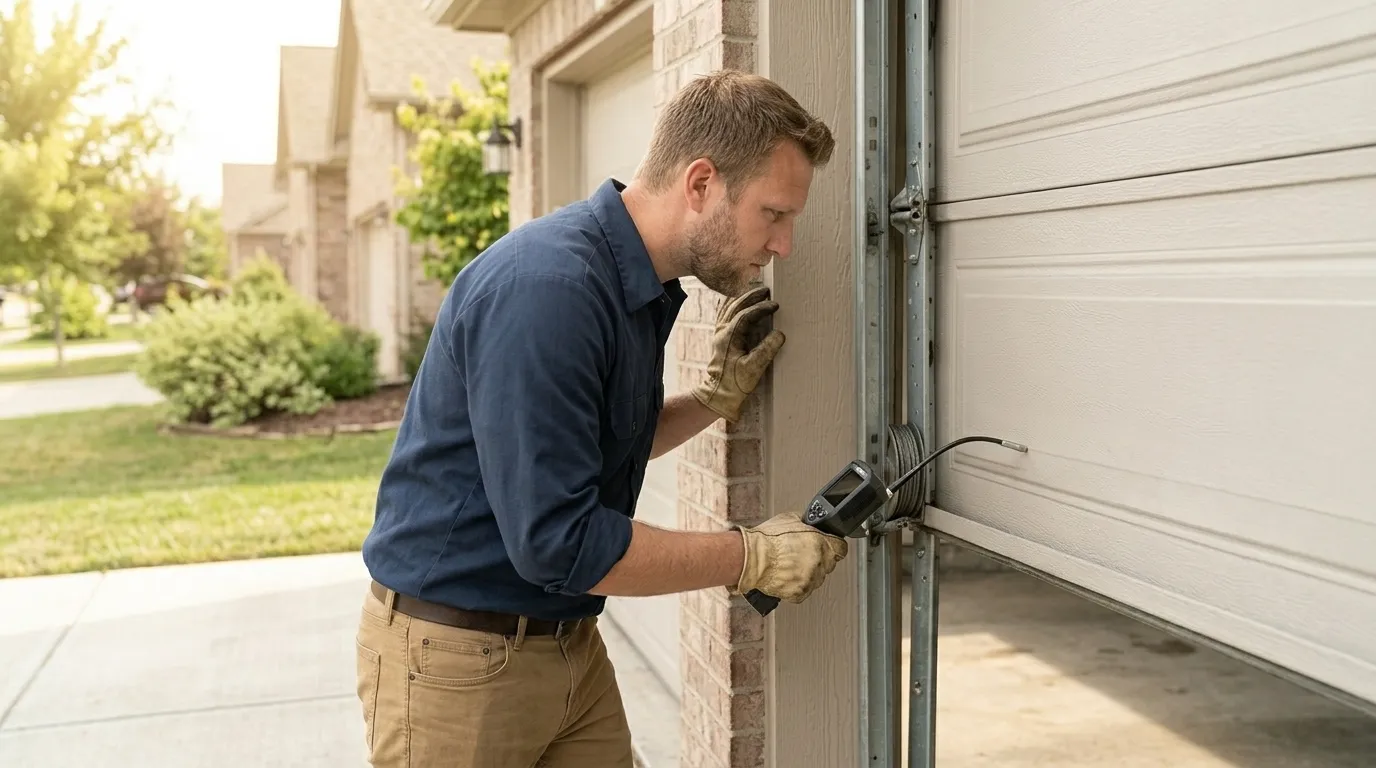
Garage Door Repair
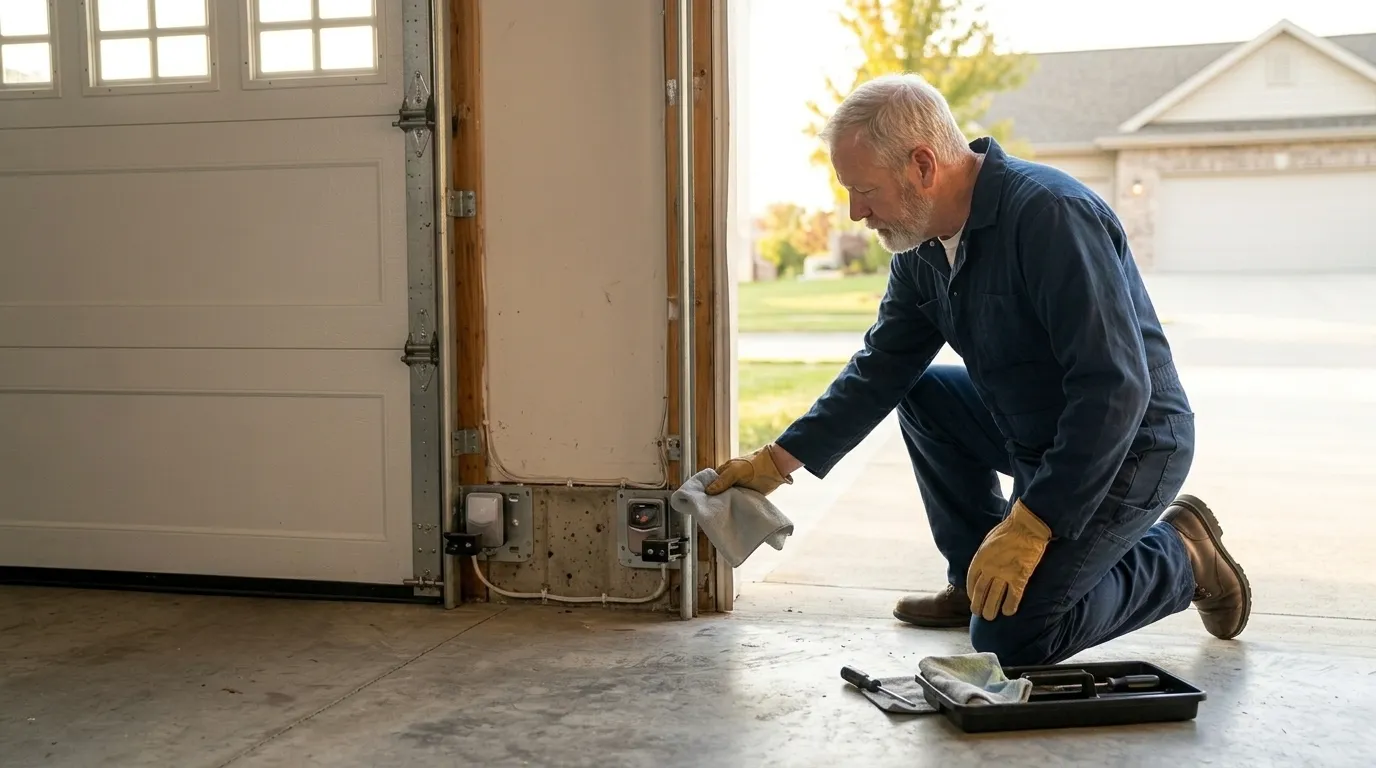
Springs, cables, tracks, rollers, and openers fixed by a tech who explains the problem before touching anything.
Learn more →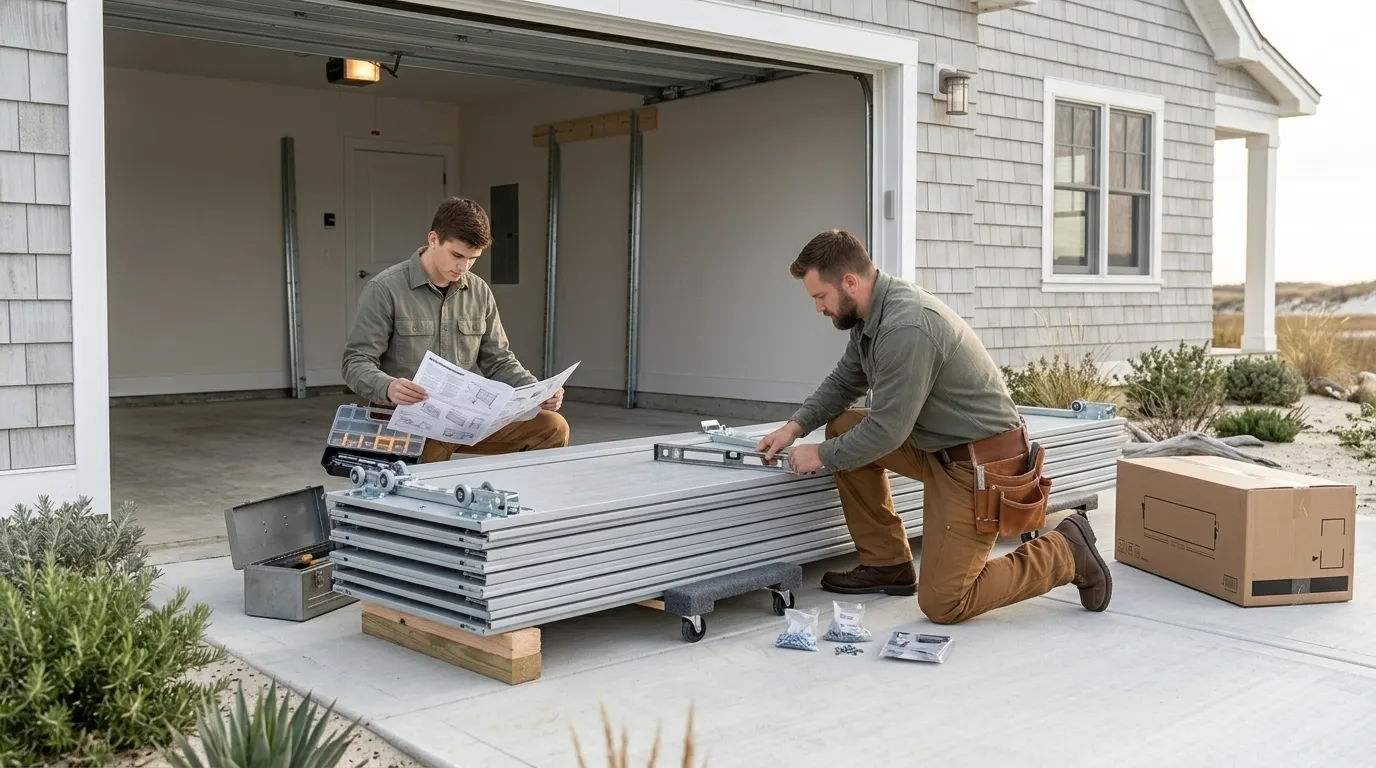
Garage Door Installation
New sectional doors sized and installed for the housing stock actually built in this area.
Learn more →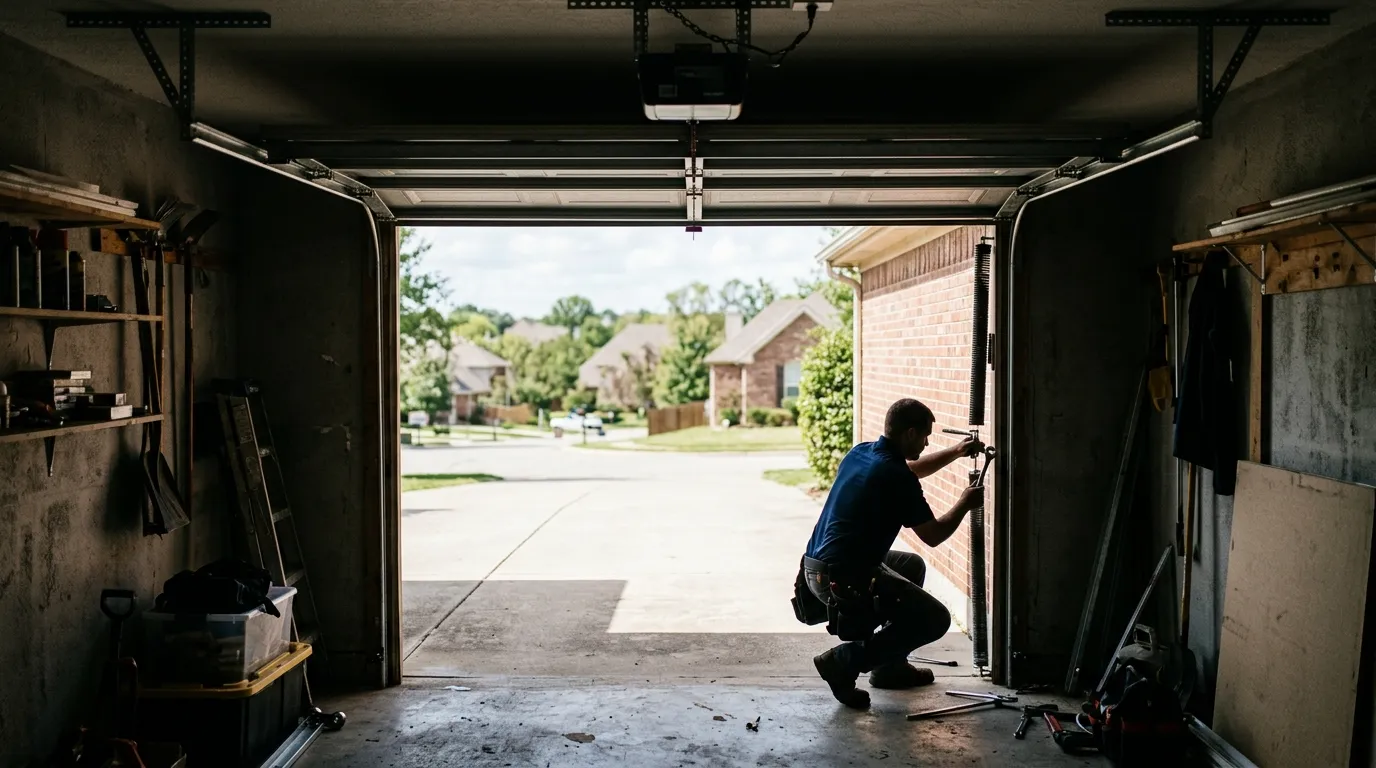
Garage Door Service
Tune-ups, lubrication, and safety checks that catch a small problem before it becomes a service call.
Learn more →Frequently Asked Questions
How old does a garage door have to be before replacing beats repairing it?
There's no fixed age, but if the door predates insulation standards and you're already replacing a spring, rollers, and weatherstrip separately, the labor on three repairs often gets close to a new insulated door. Given how much of Hamilton's housing dates to the 1960s and 70s, that math comes up often here.
Do I need an insulated door in Hamilton?
You don't need one, but given the cold and severe climate band this area sits in, an insulated door keeps the garage noticeably warmer and reduces the load on an attached house wall. Plenty of original, uninsulated doors from the 1960s and 70s are still standing, just running colder than they need to.
Will a new standard-size door fit my older opening?
Often, but not always. Openings framed in the 1960s and 70s were commonly sized for a single 8 or 9-foot door, and modern stock doors are built to today's standard sizes. We measure the header and jamb before ordering anything, since a mismatch means carpentry work on top of the door itself.
What won't you do?
We won't quote a price without seeing the opening, and we won't tell you to adjust or replace a torsion spring yourself. Those are wound under enough tension to cause serious injury, and it's one job we always send a truck for rather than talking someone through it on the phone.
Have a Door That Needs a Second Opinion?
Call and describe what it is doing - we will tell you what it likely is.