
Hamilton Garage Door Guide
Weather Seals and Draughts on Hamilton Garage Doors
Hamilton homes built between 1938 and 1972 lose heat through worn garage door seals. Here's what drives the cost, why it happens, and what to check yourself.
What You Pay
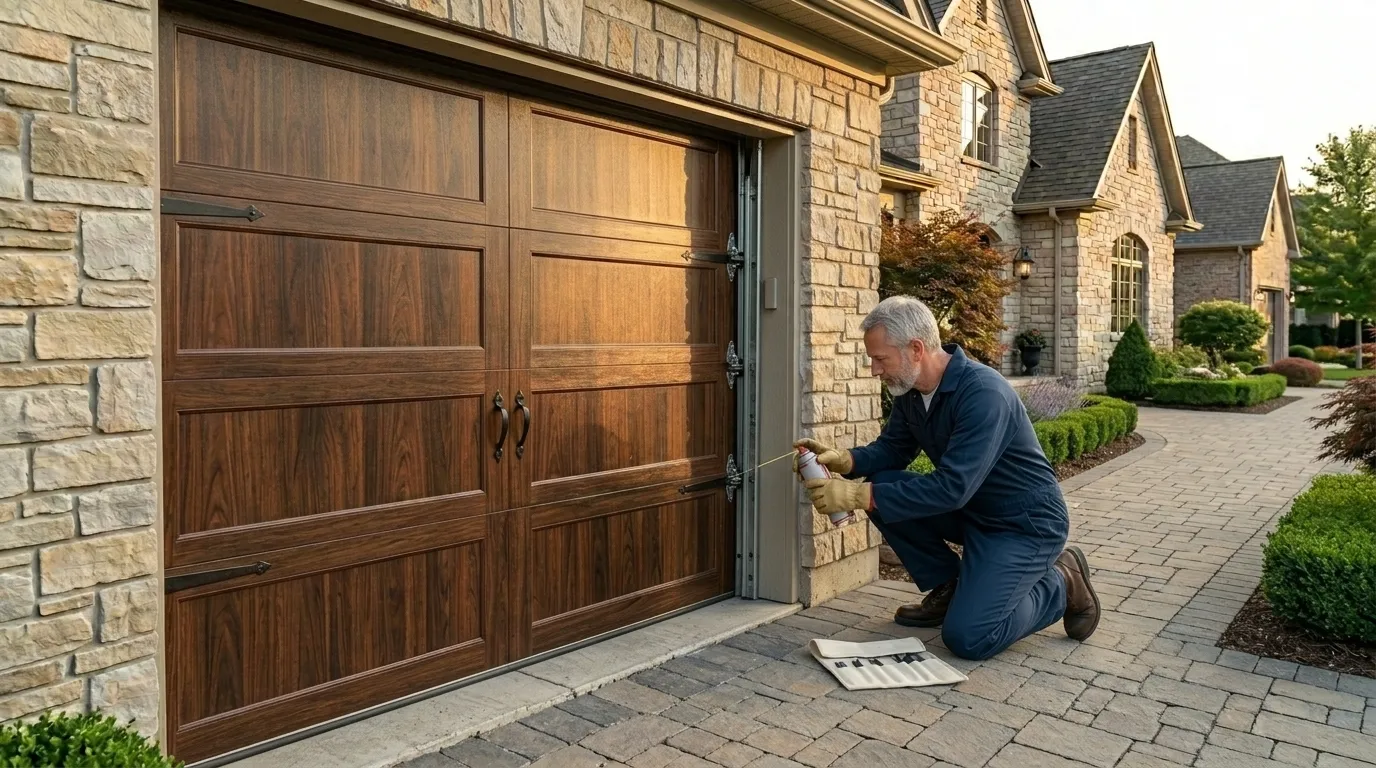
We can't quote a number here without a look at your door, so we won't guess. What we can tell you is what drives the cost up or down in this area. A door on a house built closer to 1938 often has a wood jamb that's shrunk and shifted over decades, which means the seal track itself may need rebuilding, not just a strip swap.
A door from the newer end of our range, closer to 2004, usually has a factory vinyl retainer that takes a standard replacement seal in under an hour. Since most of the housing stock across Fairfield, Seven Mile, Pleasant Run, and the rest of this area dates to the 1960s and 70s, the jobs we run most are somewhere in between: aluminum or steel track that's held up but corroded at the bottom corners where snowmelt sits. That corrosion is the part that adds labor, not the seal material itself.
If your bottom seal is cracked but the track is straight, this is a cheap fix. If the track is bent or rusted through, you're paying for track work, and that's a different job.
The Problem
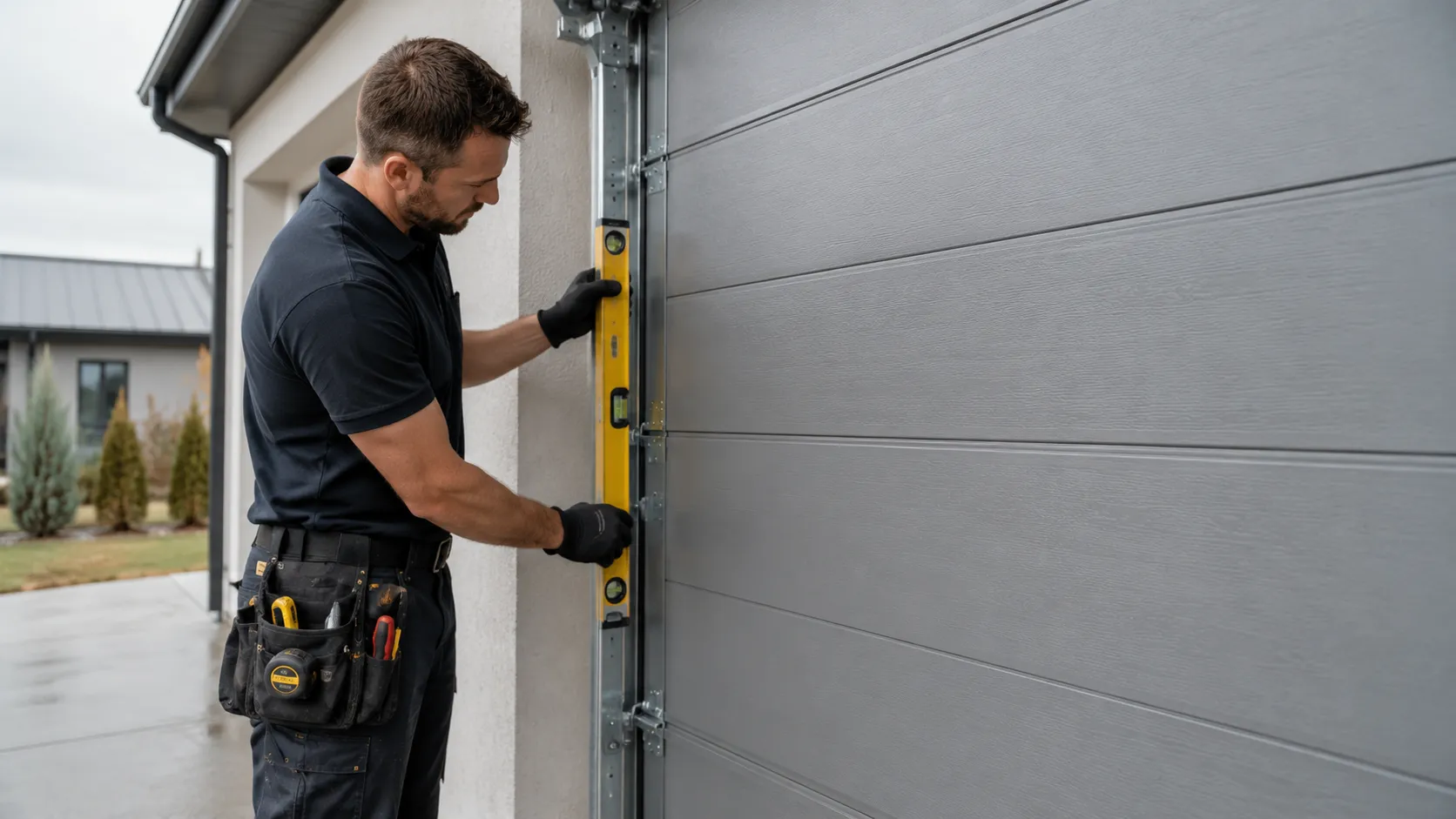
Hamilton sits in a cold-severe climate band, and that matters more for a garage door than most people think. It's not the cold itself that wrecks a seal - it's the freeze-thaw cycle. Rubber and vinyl seals harden and shrink when the temperature drops, then they're asked to flex back into shape every time the door opens on a warmer afternoon.
Over a winter with a lot of swings, that repeated stress cracks the seal faster than steady cold ever would. Houses in this area built in the 1960s and 70s often have steel doors without much insulation behind the skin, so a failed bottom seal doesn't just let in air - it lets the whole panel run colder, which shows up as condensation and eventually rust on the inside face. If your door was installed anywhere near the median build year of 1972, the seal has likely been replaced once or twice already, and the track it sits in may be the original.
Checking It Yourself
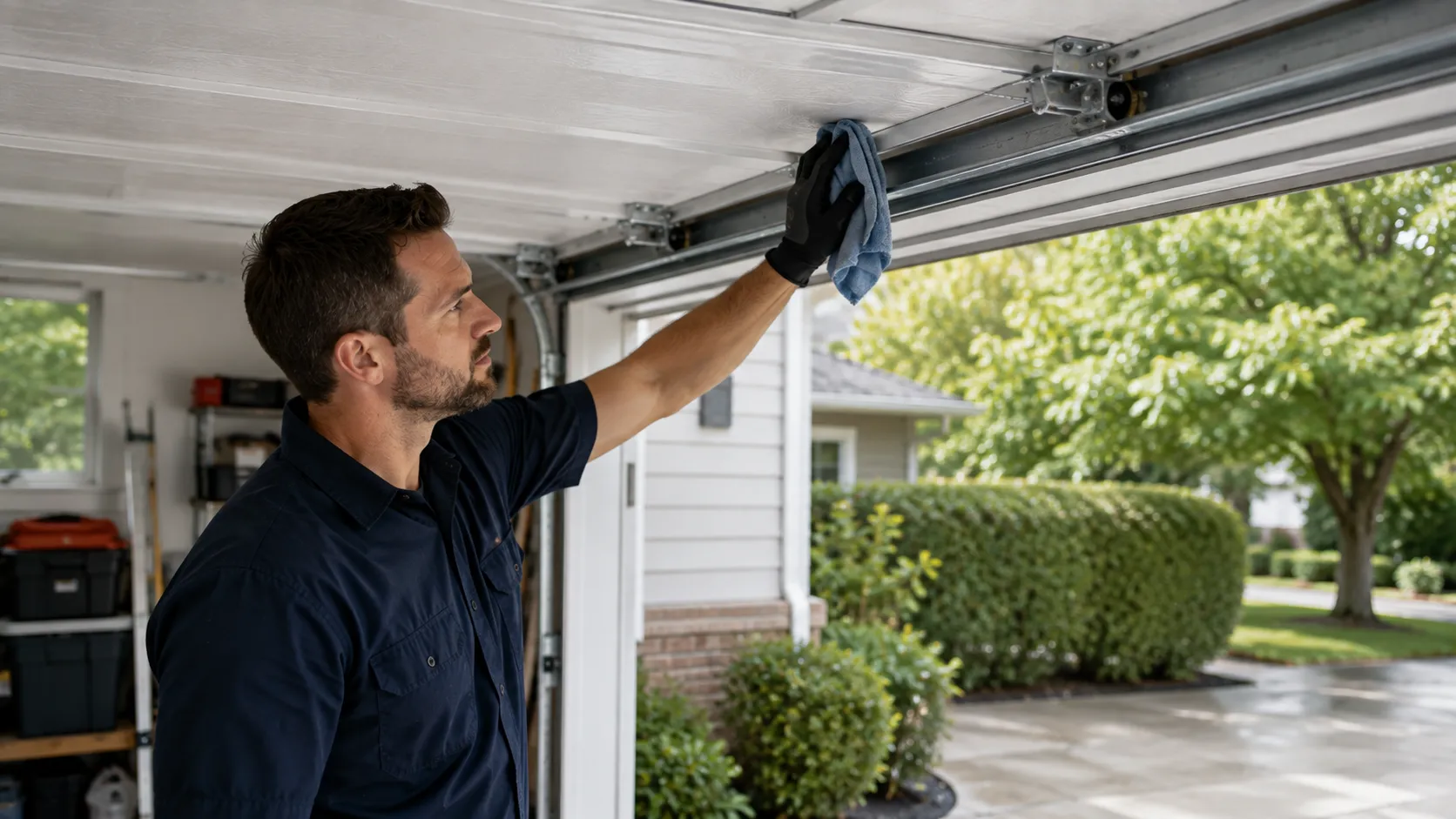
Close the door at night and look for daylight along the bottom edge and both sides - if you can see a line of light, air is getting through there too. Run a hand along the bottom seal in cold weather; if it feels stiff and cracked rather than pliable, it's past its useful life. Check the corners first, since that's where water pools and the rubber degrades fastest.
On the side seals, look for gaps where the vinyl has pulled away from the track, which is common once the wood or metal jamb behind it has moved even slightly. If you feel cold air moving across the floor near the door rather than just at the seam, the draught may be coming from the jamb gap rather than the seal itself, and that's a repair we'd want to look at in person rather than guess over the phone.
What Local Conditions Do
With housing across this service area built mostly between 1938 and 2004 and clustered heavily in the 1960s and 70s, the seal and weatherstripping problems we see aren't random - they track pretty closely with the age of the door and the severity of the winters here. A cold-severe climate means more freeze-thaw cycles per season than a milder region, and that shortens the working life of any rubber or vinyl seal regardless of brand. It also means the wood jambs common in the older end of the housing stock have had more decades of swelling and contracting, which opens gaps that no amount of new weatherstripping will fully close without also addressing the frame.
We don't push full door replacement on a seal problem - most of the time a seal and a bit of track work solves it. But if the jamb itself has rotted or shifted enough that the door won't seat square, no seal will hold, and that's the point where we'll tell you honestly that a new frame or a new door is the better money.
How We Can Help
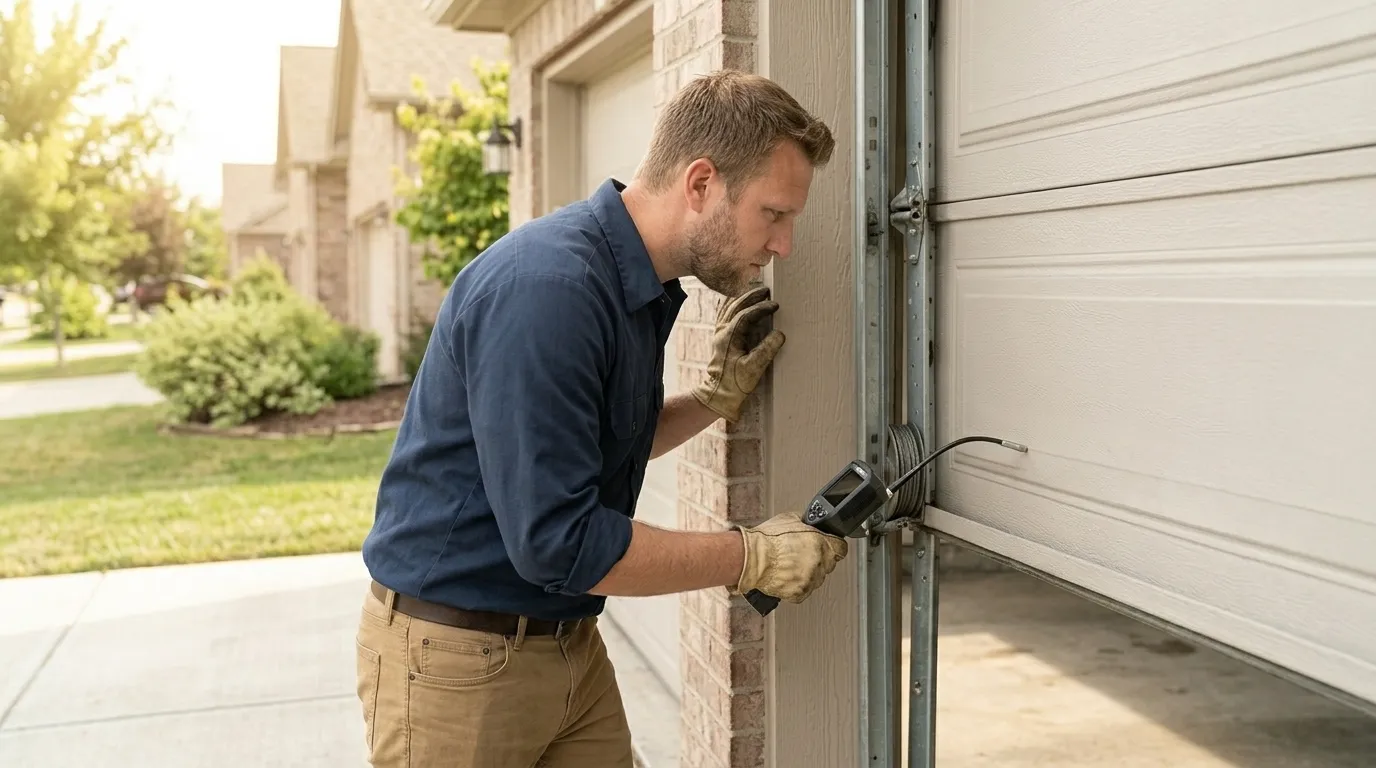
Garage Door Repair
Springs, cables, tracks, rollers, and openers fixed by a tech who explains the problem before touching anything.
Learn more →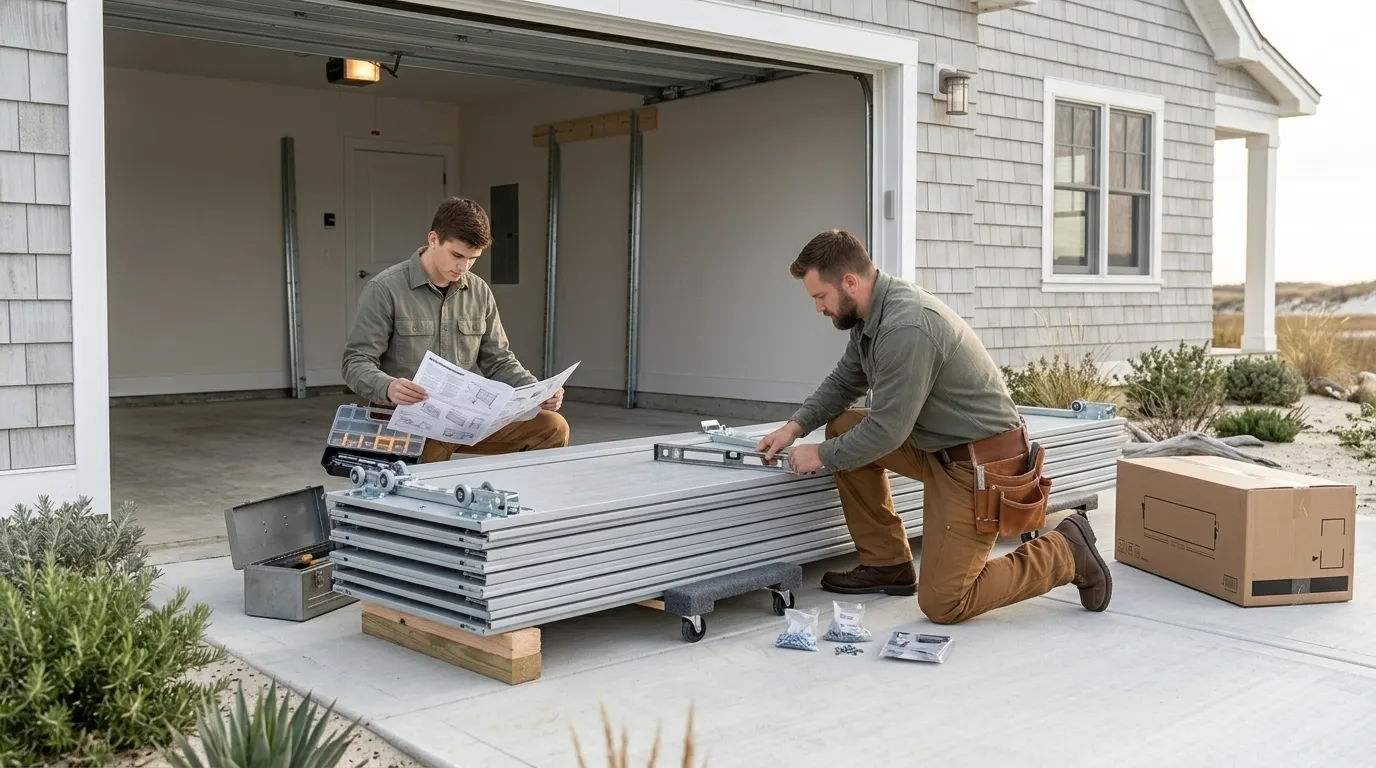
Garage Door Installation
New sectional doors sized and installed for the housing stock actually built in this area.
Learn more →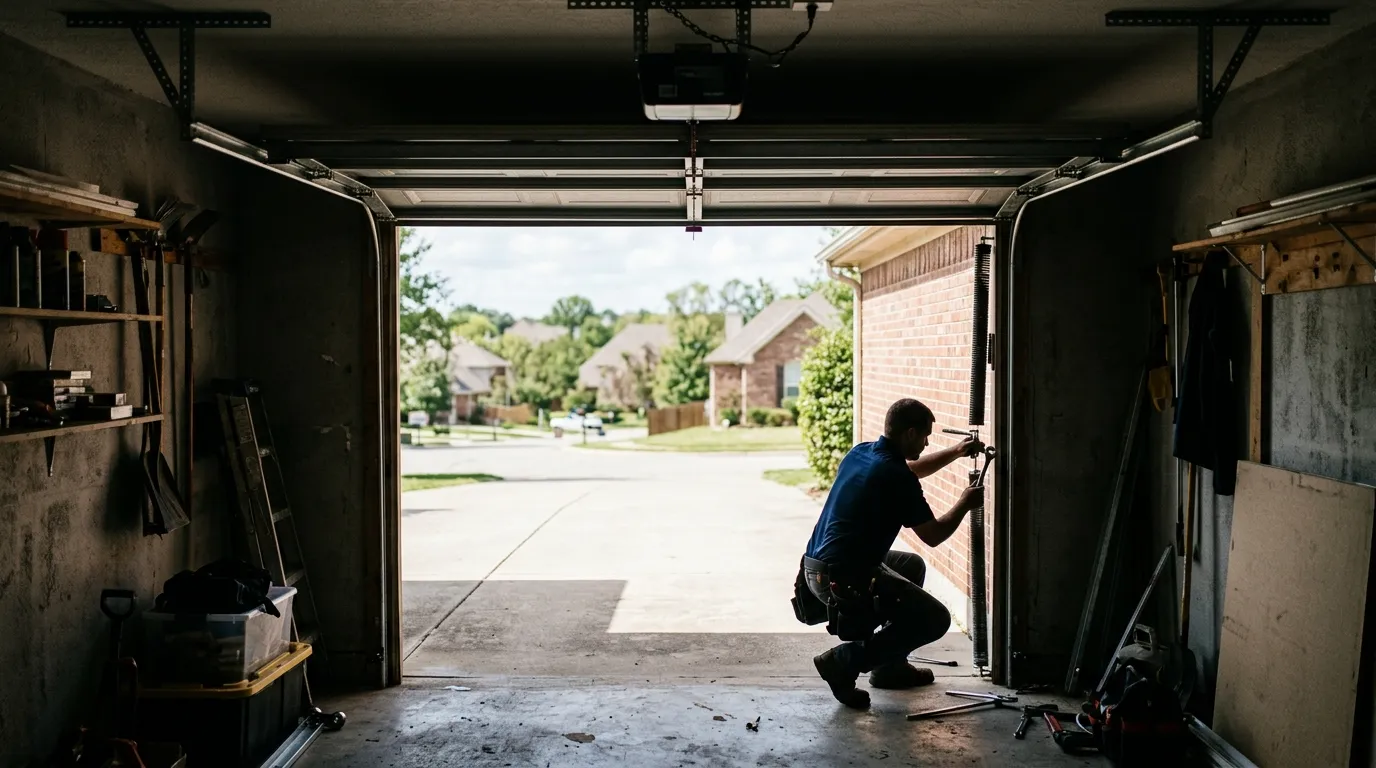
Garage Door Service
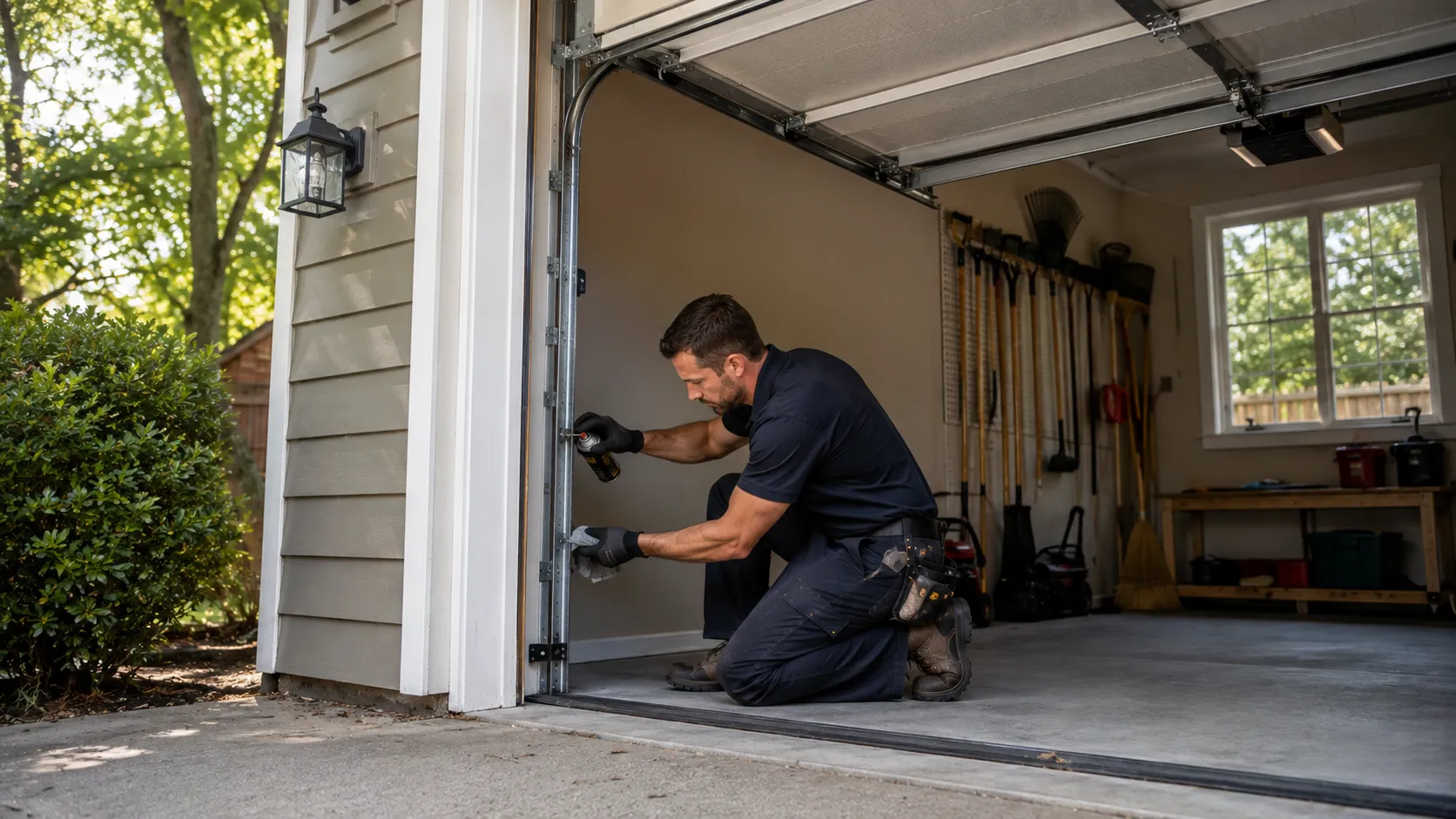
Tune-ups, lubrication, and safety checks that catch a small problem before it becomes a service call.
Learn more →Frequently Asked Questions
Why does my garage door let in more cold air in January than it did last fall?
Rubber and vinyl seals stiffen as temperatures drop, and in a cold-severe climate like Hamilton's, repeated freeze-thaw swings crack that stiffened material faster than steady cold would. A seal that sealed fine in October can develop visible gaps by mid-winter without ever being damaged physically - it's just worn from flexing cold.
My house was built in the 1960s - is that why the seal keeps failing?
Possibly. A lot of the housing stock in this area dates to the 1960s and 70s, and doors from that era often have steel panels with less insulation and simpler seal tracks. If the track has corroded or the jamb has shifted over sixty-plus years, a new seal alone won't hold as well as it would on a newer frame.
Can I just add extra weatherstripping instead of replacing the seal?
You can, but it usually treats the symptom, not the gap. If the seal has hardened or the track is bent, layering more material on top rarely seals evenly. We'd rather look at whether the seal or the track is the actual failure point before adding anything extra.
Have a Door That Needs a Second Opinion?
Call and describe what it is doing - we will tell you what it likely is.