
Hamilton Garage Door Guide
Why Springs Snap in Cold Weather Here in Hamilton
Hamilton's 1960s-70s housing stock and COLD severe climate mean torsion springs fail more in winter. Here's what drives the cost and what to check before you call.
What You Pay
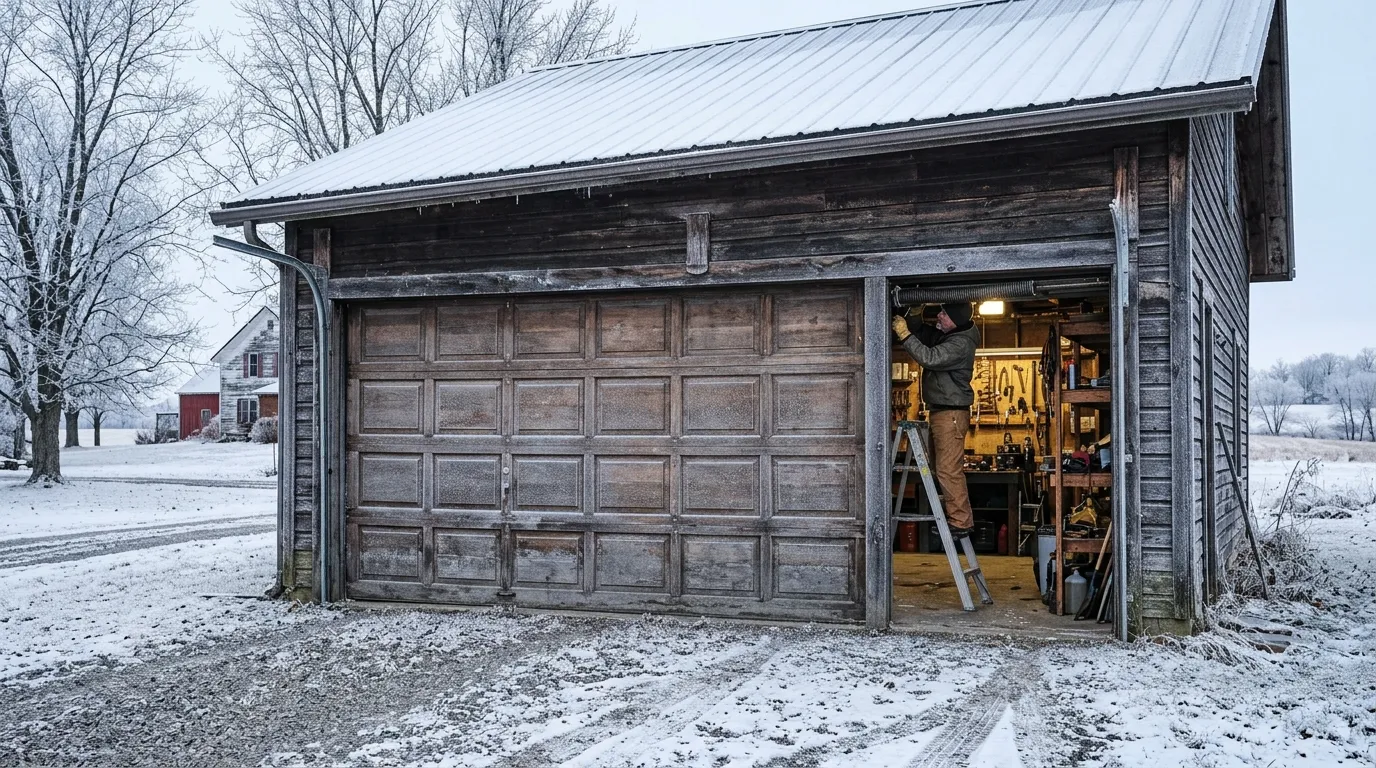
There's no flat number we can print here, because the cost of a spring job depends on the door's weight, the spring size, and whether one spring failed or both are close behind it. What we can tell you is what drives the number up or down. A single-car door usually takes one spring; a double takes two, and most shops replace both even if only one broke, since the surviving spring is usually near the end of its life anyway.
Homes in this service area were built mostly between 1938 and 2004, with a median year of 1972, so a lot of the springs we replace are original or close to it - that's fifty-plus years of cold-weather cycling on steel that was only rated for ten to fifteen. With a median household income of $77,312 across this area, most homeowners treat this as a planned repair rather than an emergency they can absorb without thinking. Our honest limitation: we don't quote a price over the phone without knowing the door's size and spring type, because guessing wrong either shortchanges you or oversells the job.
The Problem
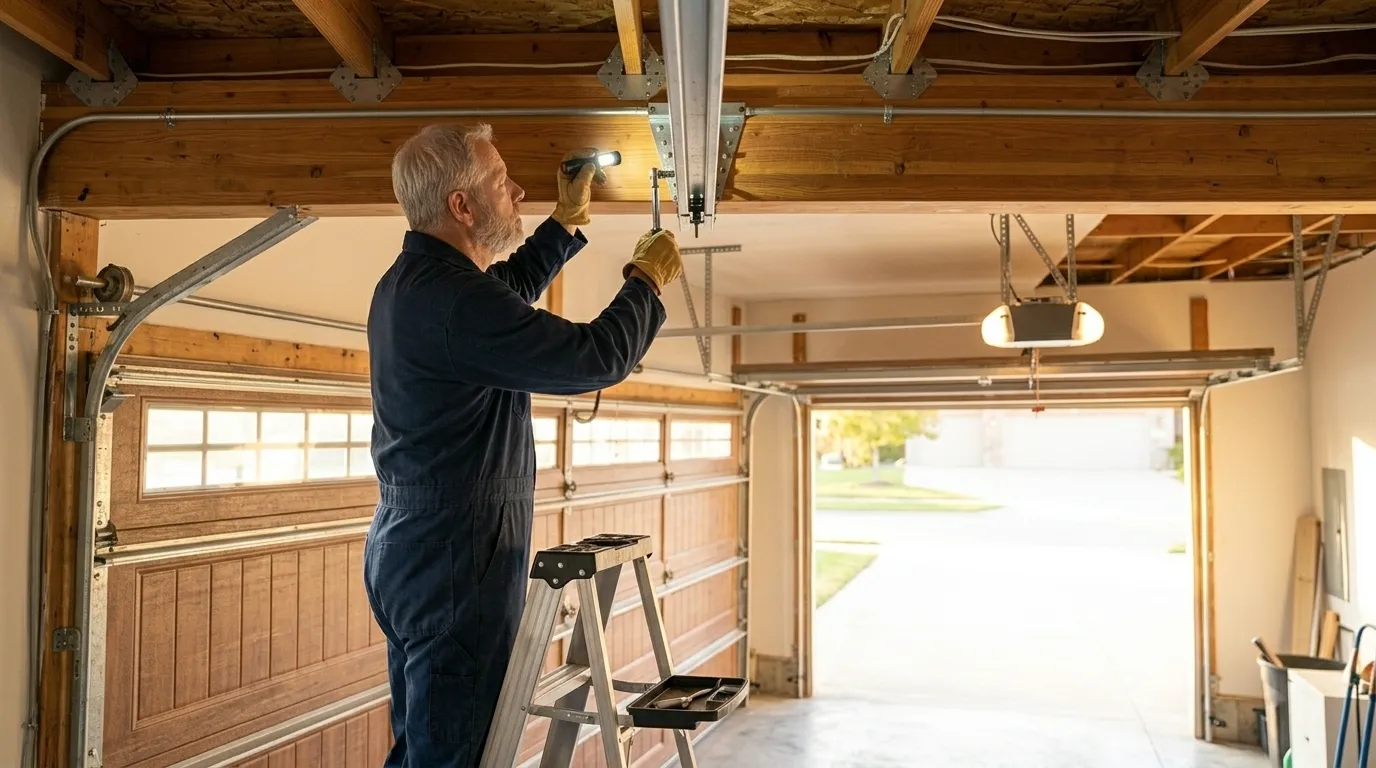
Steel contracts when it's cold, and a torsion spring is just wound steel holding tension against the weight of the door. As the temperature drops, that steel gets less flexible, and the coil that's been slowly fatiguing for years finally gives out on a cold morning instead of a mild afternoon. This isn't a defect specific to any one brand - it's physics acting on hardware that was already near the end of its rated cycle count.
In a COLD severe climate band like Hamilton sits in, that swing between a 60-degree fall day and a hard freeze happens over and over each winter, and every cycle adds a little more stress to a spring that's already stretched thin. Most of the springs we see fail here aren't brand new installs. They're springs that have been quietly wearing down since the house was built - and given that most of this area's stock dates to the 1960s and 70s, that's a long runway of freeze-thaw cycles stacked on original hardware.
Checking It Yourself
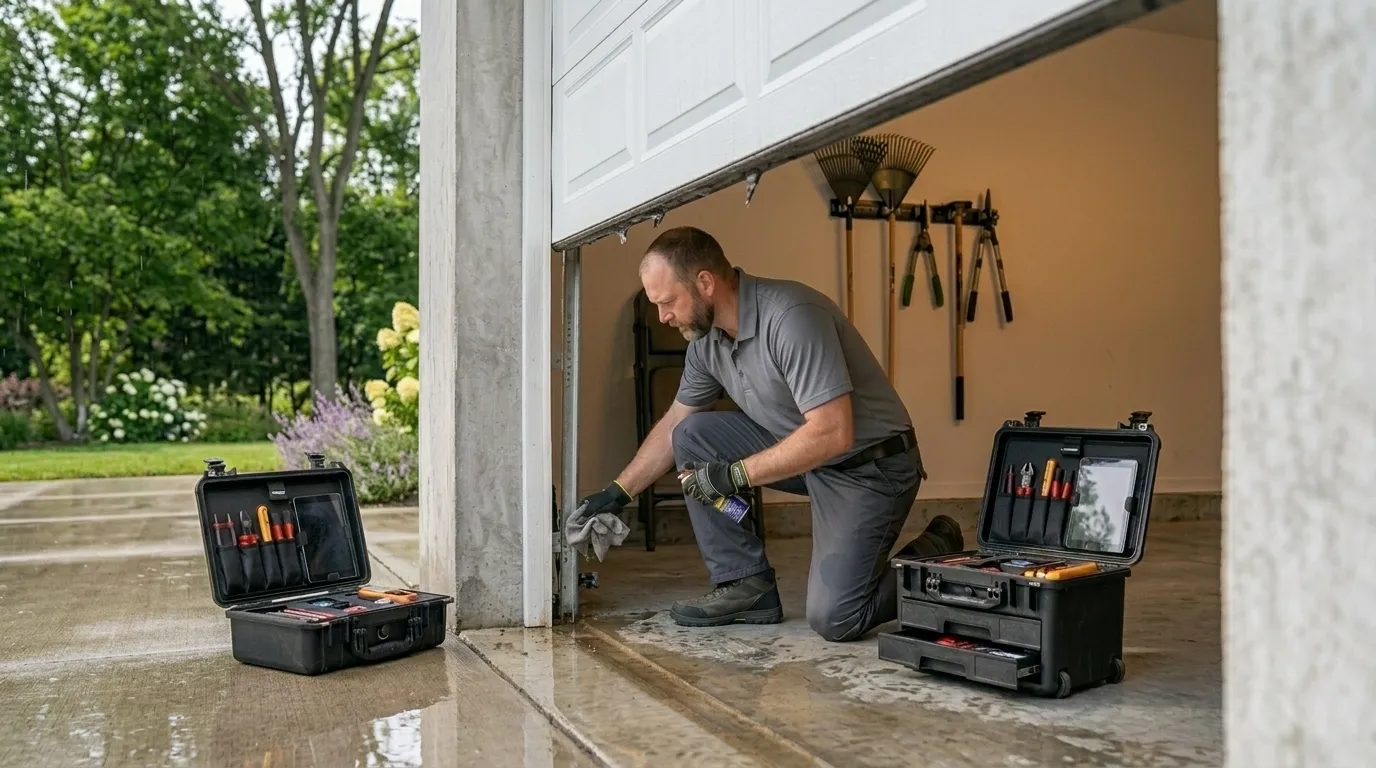
Before you call anyone, look at the spring itself, above the door on the horizontal shaft. A broken torsion spring usually shows a visible gap in the coil - sometimes the two halves have separated by an inch or more. If the door won't budge, or it's noticeably heavier when you lift it by hand with the opener disconnected, that's a spring problem, not an opener problem.
Check the cables running down either side of the door too; a spring failure sometimes lets a cable jump its drum. Don't disconnect anything under the spring's tension yourself - that's the one part of this job that isn't a DIY afternoon, cold weather or not. If the door is uneven, sitting crooked in its track, or one side drops faster than the other when you try to close it manually, that's consistent with a single spring failure on a double-spring door.
Note whether your garage is attached or detached and roughly how old the door is; that's useful information to have ready before you call, since it saves a diagnostic trip.
What Local Conditions Do
Cold weather doesn't create a bad spring, but it exposes one. In a severe cold climate band, the metal is stiffer, the grease in the coils thickens, and the door itself is heavier if there's any moisture or ice buildup on the panels. That combination means the exact moment a marginal spring is most likely to fail is a cold morning, which is also the worst time to discover it if you're trying to get a car out.
Because most homes across the 55 named areas in this territory were built in the 1960s and 70s, with the broader range running 1938 to 2004, a huge share of doors still running on original torsion hardware are hitting that failure window right about now, regardless of the specific street they're on. It's not a maintenance failure on the homeowner's part - it's a spring reaching the end of a lifespan that cold cycling accelerates. Homes closer in, like those near Fairfield or Seven Mile, and homes further out toward Trenton or Monroe, share this same aging-stock problem, since the era of construction matters more than the distance from the center of town.
How We Can Help
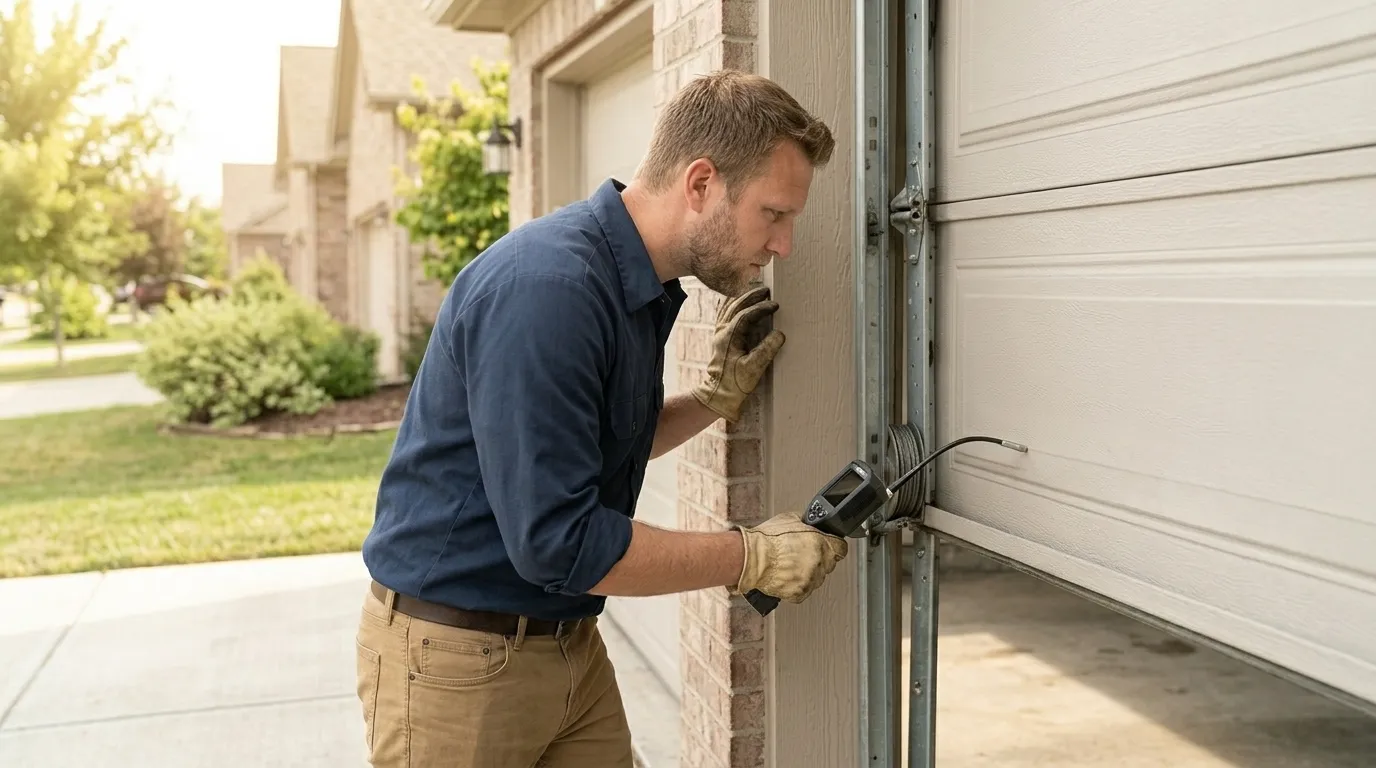
Garage Door Repair
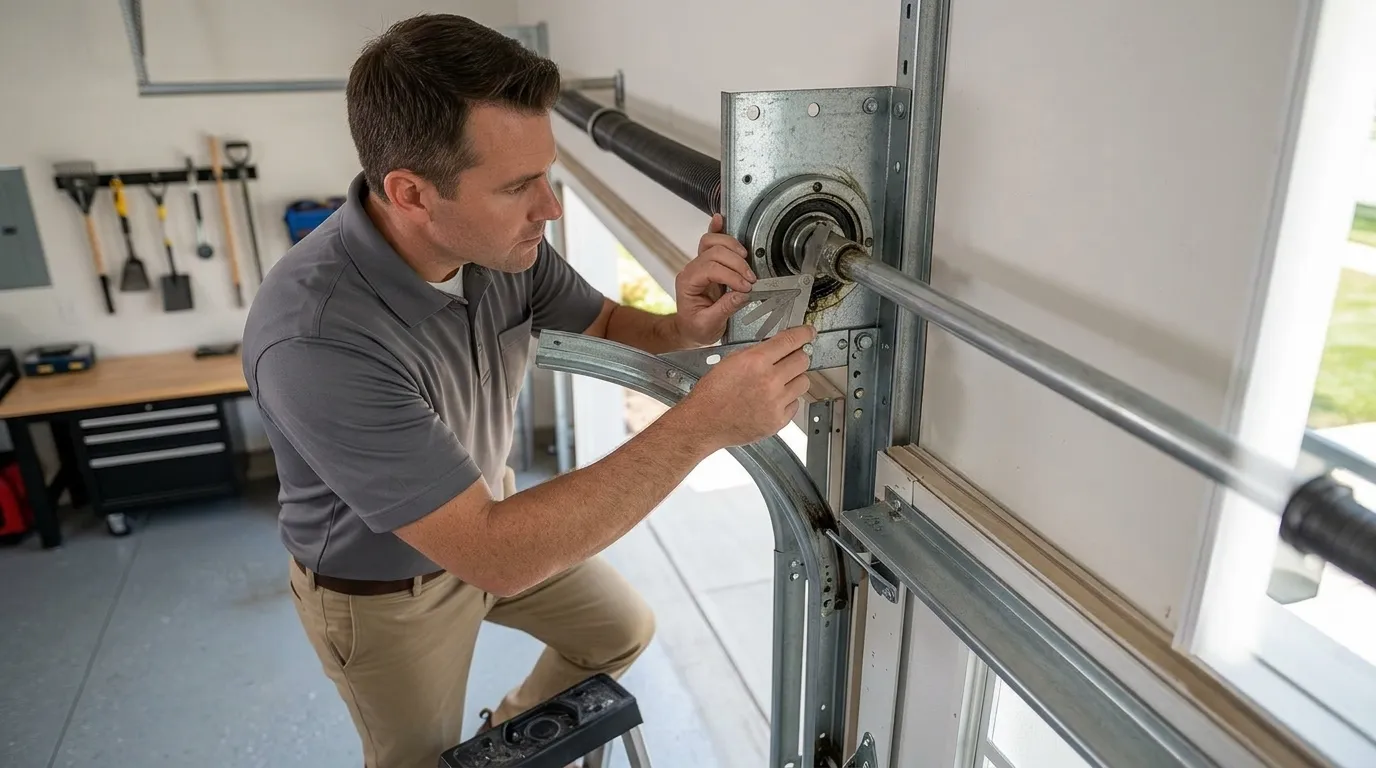
Springs, cables, tracks, rollers, and openers fixed by a tech who explains the problem before touching anything.
Learn more →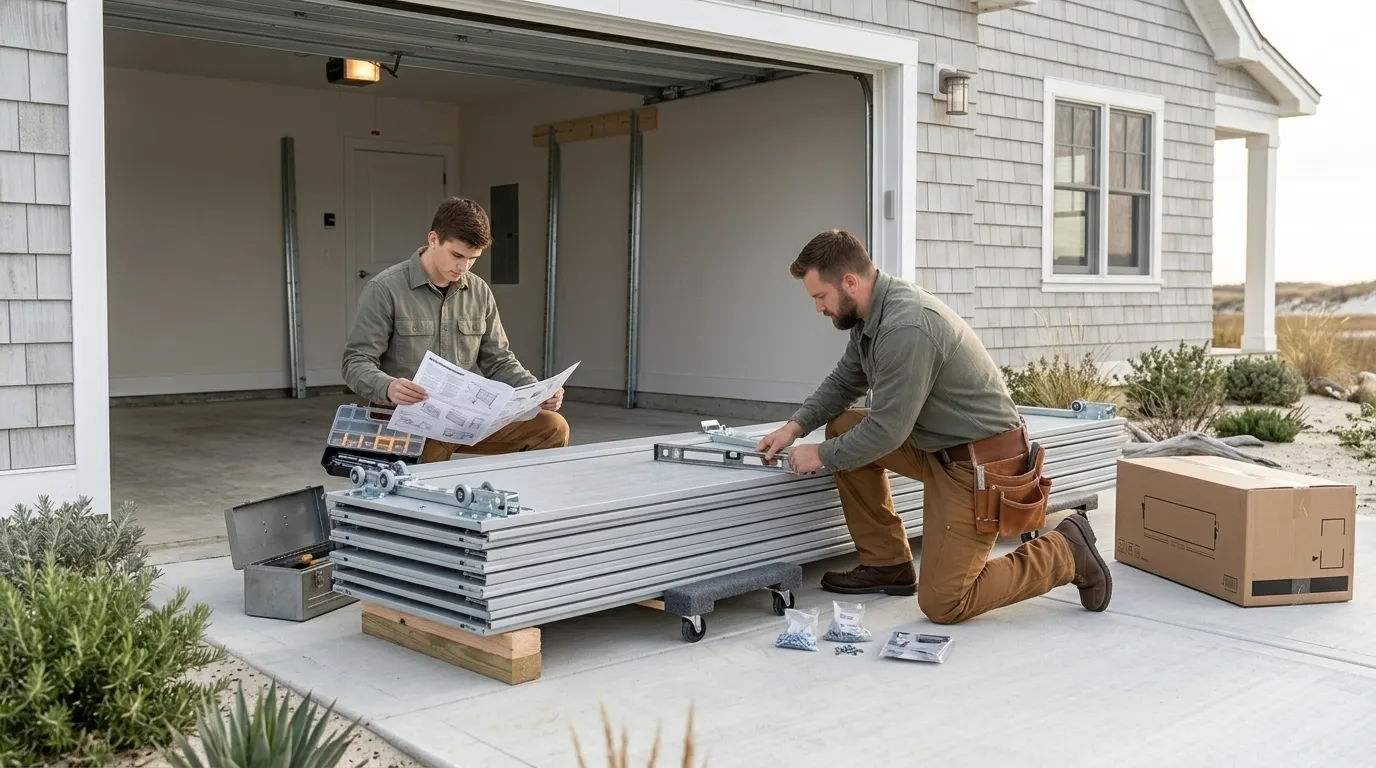
Garage Door Installation
New sectional doors sized and installed for the housing stock actually built in this area.
Learn more →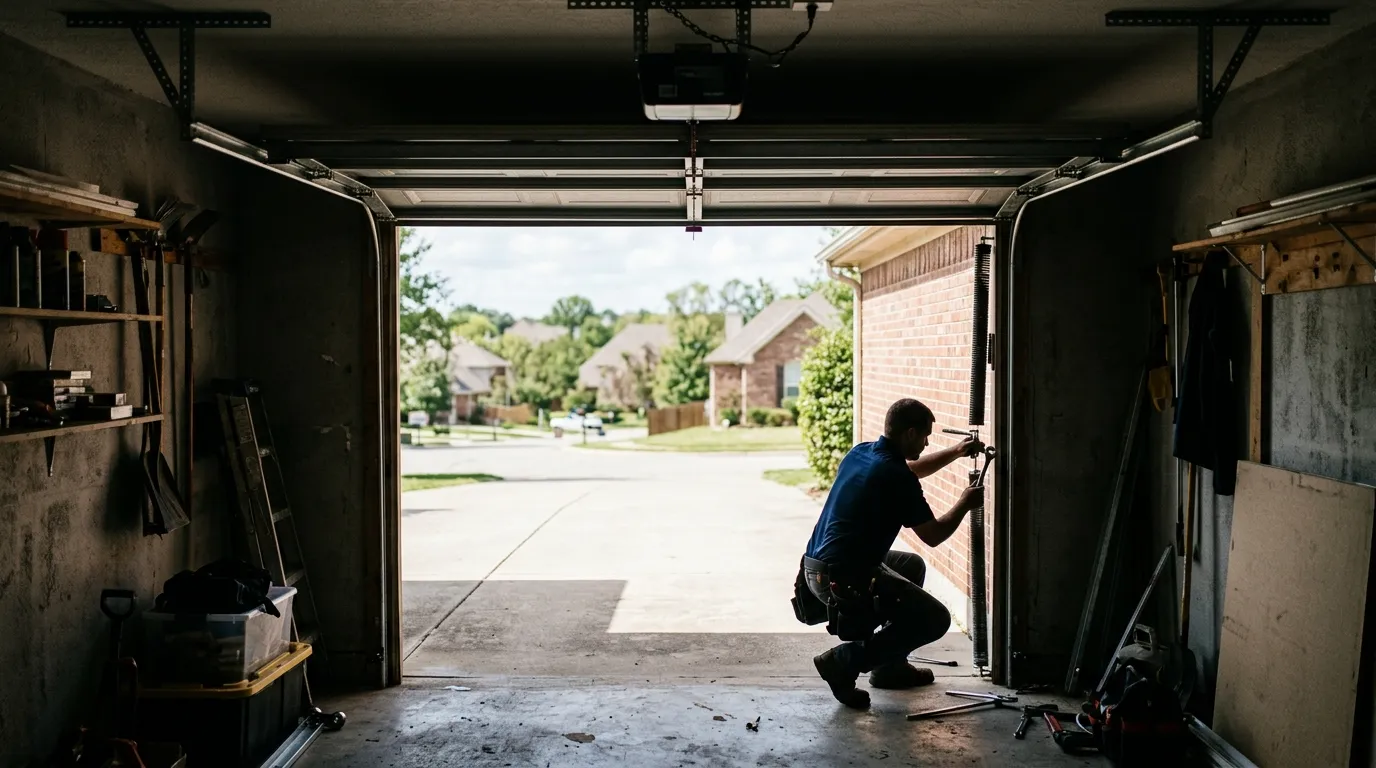
Garage Door Service
Tune-ups, lubrication, and safety checks that catch a small problem before it becomes a service call.
Learn more →Frequently Asked Questions
Why did my spring break on the coldest morning of the year?
Cold makes steel stiffer and less forgiving, so a spring that's already fatigued from years of cycling is more likely to snap on a hard freeze than a mild day. It's usually not the cold itself causing damage - it's the cold revealing a spring that was already near the end of its life.
How old are most garage door springs in Hamilton?
Since most homes in this area were built between the 1960s and 2004, with a median year of 1972, a lot of torsion springs still in service are original or close to it. Springs are typically rated for ten to fifteen years of cycles, so many are well past that.
Can I replace just one spring if only one broke?
You can, but most shops recommend replacing both on a double-spring door, since the other spring has seen the same age and cycling and is usually close behind. Replacing only one often means a second call within a year or two.
Is it safe to try to fix a broken spring myself?
No. A torsion spring holds serious tension even when broken, and releasing or rewinding it without the right tools is one of the more dangerous repairs on a garage door. Everything else on this page you can check yourself; this part isn't a DIY job.
Have a Door That Needs a Second Opinion?
Call and describe what it is doing - we will tell you what it likely is.