
Service
Garage Door Installation for Hamilton, OH Homes
New garage door installation in Hamilton, OH, sized for homes built mostly in the 1960s and 70s and rated to handle Hamilton's cold, snow-load winters.
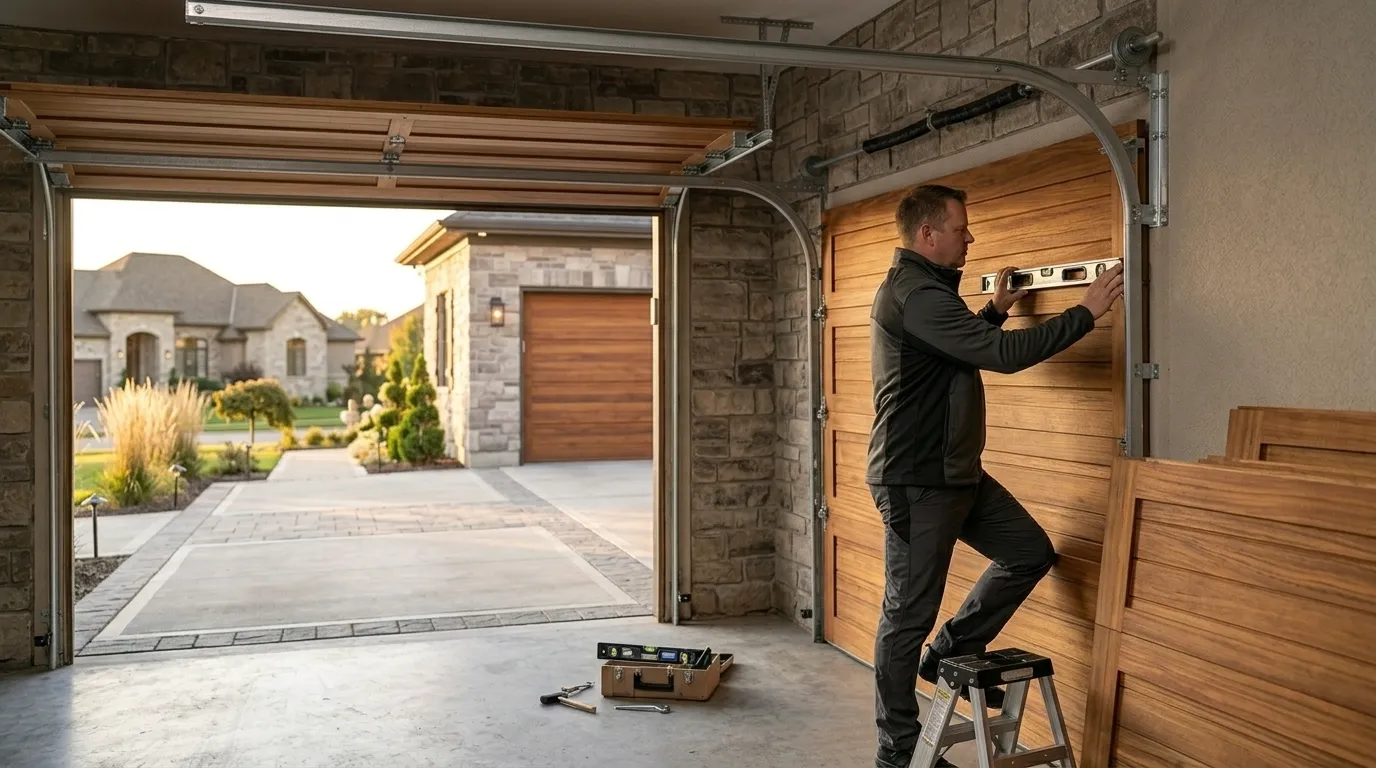
What Happens When You Call
-
1
Call or Request a Quote
Tell us what the door is doing and roughly how old the house is - that alone points us toward the likely part before a truck leaves.
-
2
On-Site Diagnosis
A tech checks the spring, cables, tracks, and opener in person and tells you plainly what is actually wrong.
-
3
Straight Price, No Surprises
You get a number before any work starts. It covers parts and labor, nothing added after the fact.
-
4
Fixed the Same Visit
Most repairs are done in one trip. If a part needs sourcing, we tell you that upfront instead of guessing.
Where This Job Goes Sideways
Installation sounds simple until the door shows up and the opening doesn't match the box. In Hamilton, that mismatch is common because the housing stock spans 1938 to 2004 with a median build year around 1972.
A door rated for a modern 7-foot opening doesn't always sit right in a jamb framed sixty years ago, and the track hardware that came standard back then rarely matches today's spring and drum specs. We've seen installs where the new door was structurally fine but the opener bracket had nowhere solid to mount because the header wasn't built for the load.
The other place this goes sideways is insulation value. A lot of homeowners order a door based on looks and price, then find out in January that it doesn't hold heat the way the old one did, or that condensation runs down the inside panel because the door isn't rated for a cold-severe climate.
Getting the R-value and the seal type right before the door is ordered saves a second visit and a second bill. We measure the actual opening, check the header and track path, and match the door to both the house and the weather it has to stand up to, not just the listing photo.
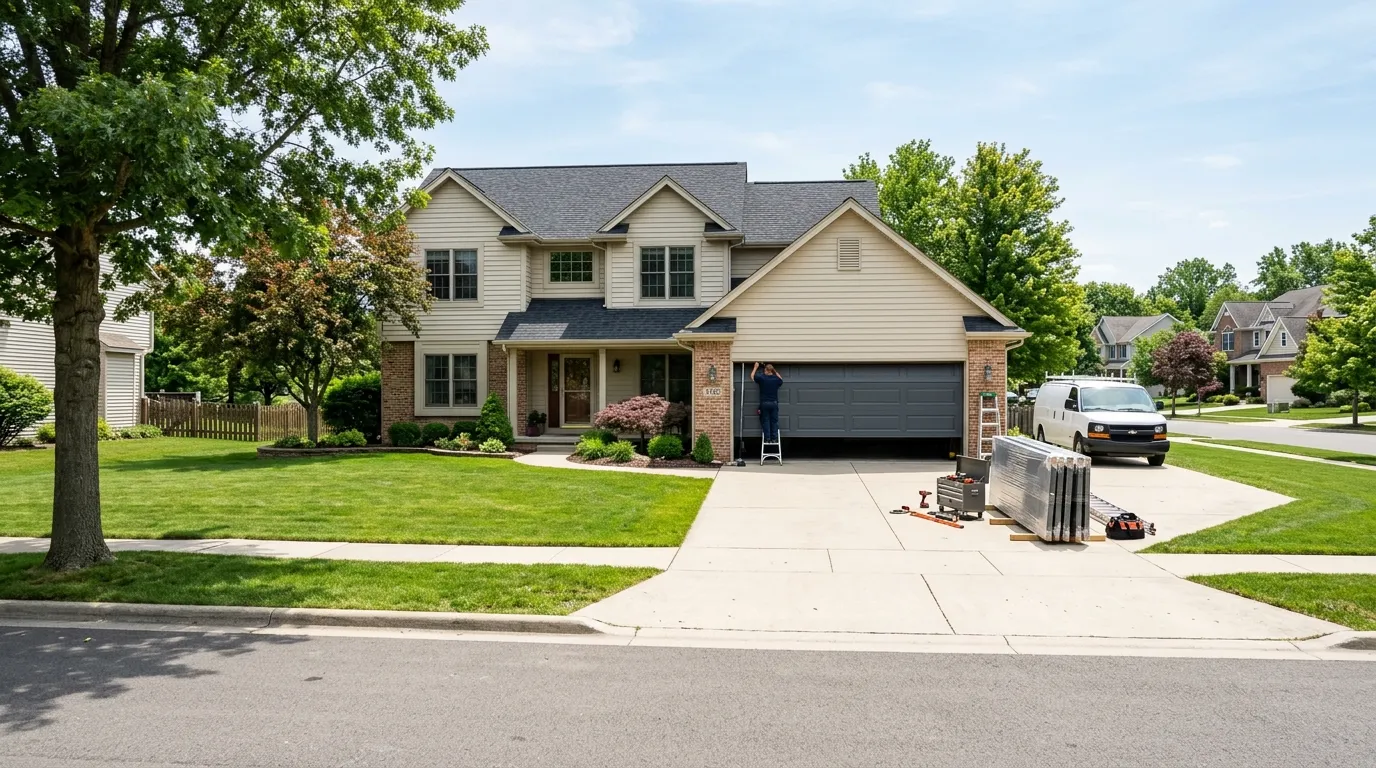
Why This Fails Locally
Hamilton's housing didn't get built in one wave. Across the 55 named areas that make up the wider service area, most of the stock dates to the 1960s and 70s, but the full range runs from 1938 to 2004.
That spread matters because framing standards, opening widths, and header depths changed across those decades, and a lot of garages were never touched after the original door went in. A standard-size replacement door can look correct on paper and still bind against a track that was set for a narrower or shorter panel than what ships today.
Layer the cold-severe climate on top of that and the margin for error shrinks. A door with a marginal seal or thin insulation doesn't just look worn here, it lets in enough cold air to frost the inside of the panel and stiffen the springs in the low temperatures Hamilton gets most winters.
With 101,416 owner-occupied houses across roughly 208,045 households in the service area, this isn't a rare situation, it's the baseline condition for a big share of the homes we're asked to quote. The fix isn't a bigger door, it's the right door for an opening that was likely built before double-car garages were standard.
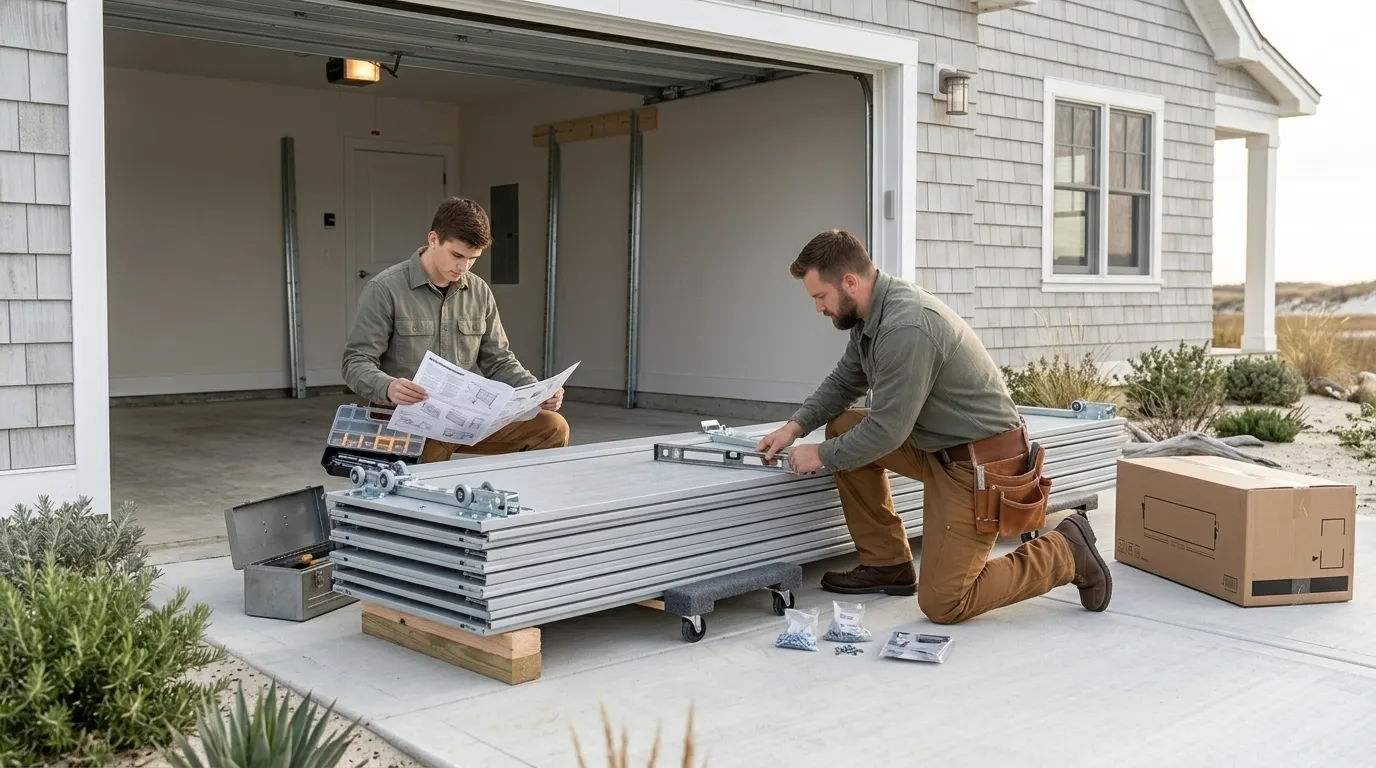
Doing It Yourself
A single-panel door on a straightforward track can be a reasonable weekend job if you've done it before and you have someone to help lift. Where it stops being a DIY job is torsion spring work, anything involving a header that needs reinforcing, or an opening that's out of square, which shows up more often in the older end of Hamilton's 1938-1972 stock than in newer builds. Torsion springs store enough force to break a hand or worse if the winding bar slips, and there's no safe shortcut around that.
We'll also say plainly: we don't recommend DIY install on double-wide doors over roughly 16 feet, because the panel weight and the two-spring setup raise the failure risk past what's worth saving on labor. If you're set on doing the demo and framing prep yourself, that's fine, and we're glad to come in for the door hang and spring balance only. What we won't do is talk a homeowner into a full self-install on a door heavy enough to hurt someone, and if that's the plan, we'll say so and explain why before you buy the door.
What You Are Seeing
If the door drags on one side or needs a shove partway through the cycle, the opening has probably shifted slightly out of square, which is common in houses on the older end of Hamilton's 1938-2004 range as the foundation settles over decades. If cold air pools along the bottom seal even with the door shut, the panel likely isn't rated for the climate band Hamilton sits in, and no amount of weatherstripping fixes an underspecified door. If the opener strains or reverses on cold mornings, the spring tension was probably set for a lighter door than what's currently hanging, a mismatch we see a lot on homes that had a door swapped once already without a matching spring change.
Wood rot at the bottom panel, rust streaking from the hinges, or a track that's visibly bowed away from the wall are signs the door itself is past the point of adjustment, not just needing a tune-up. At that point, with a median household income of $77,312 across the service area, most owners here are better served putting the money into a correctly sized new door than into another round of patch repairs on one that's fighting its opening.
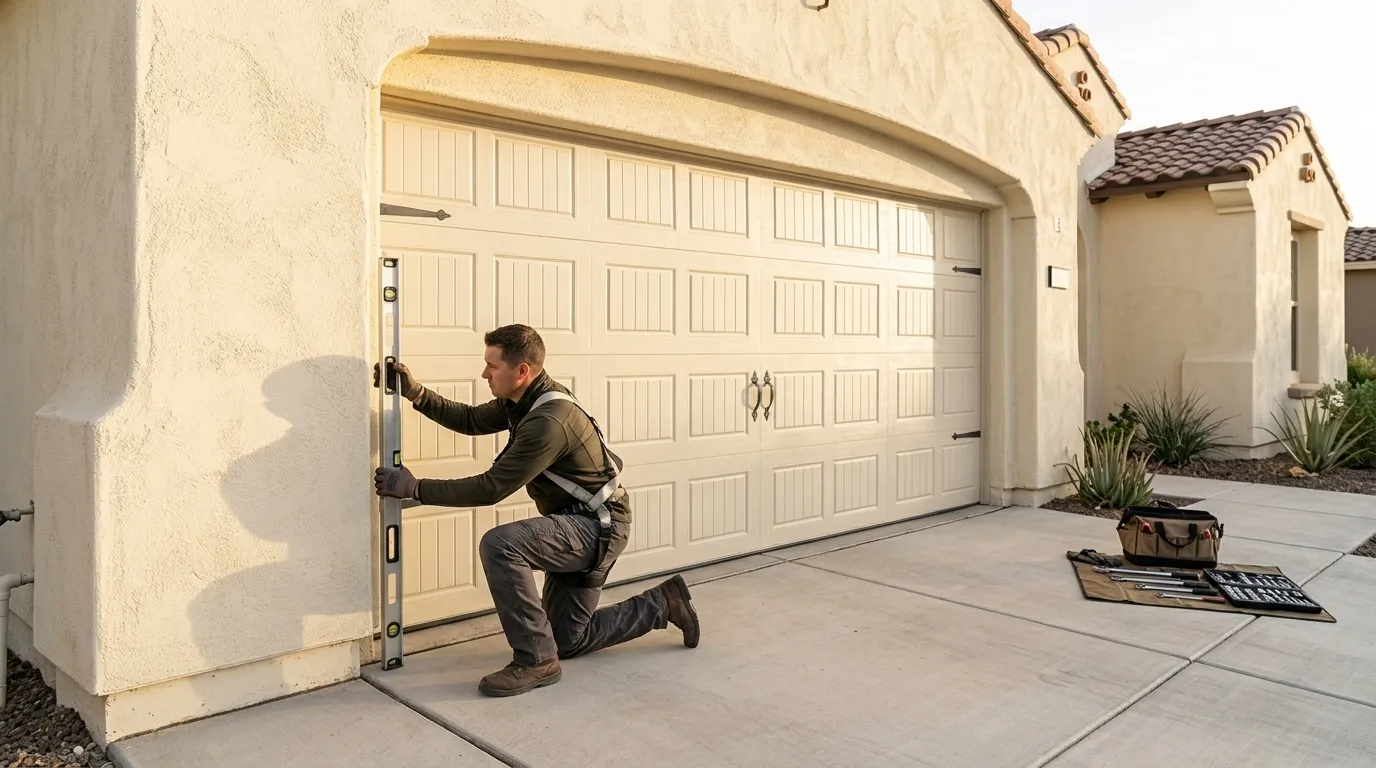
Talk to a Technician Before You Book
Describe what the door is doing and get a straight answer on what it likely needs.
Other Ways We Can Help
Jobs Like Yours
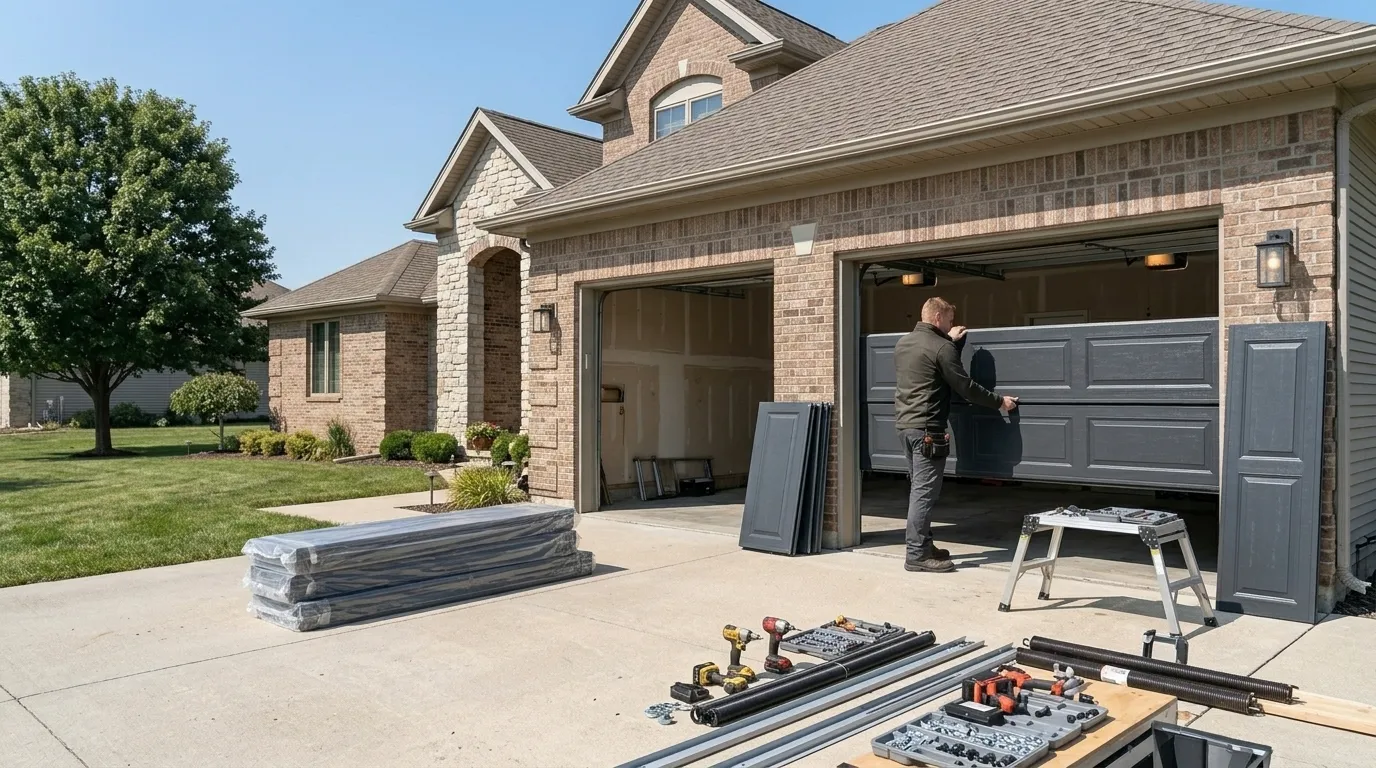
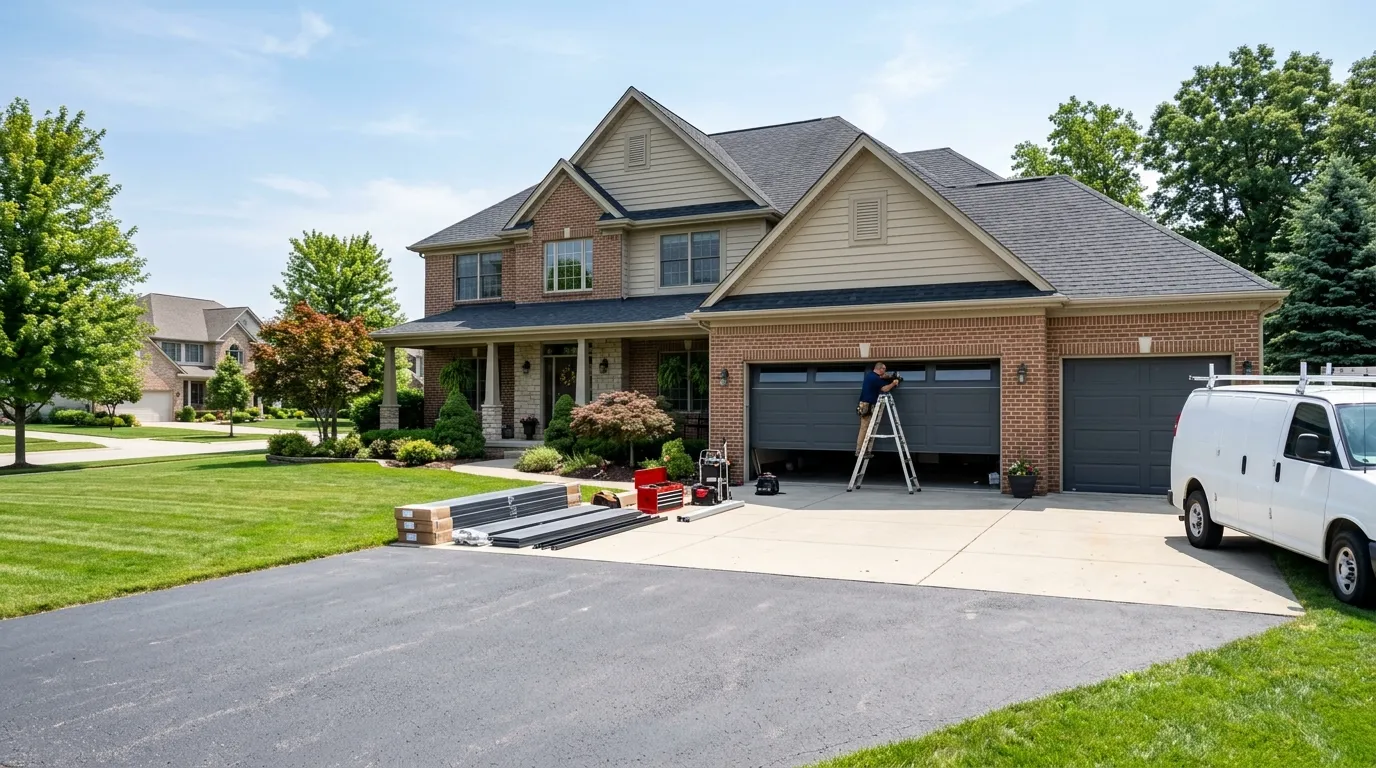
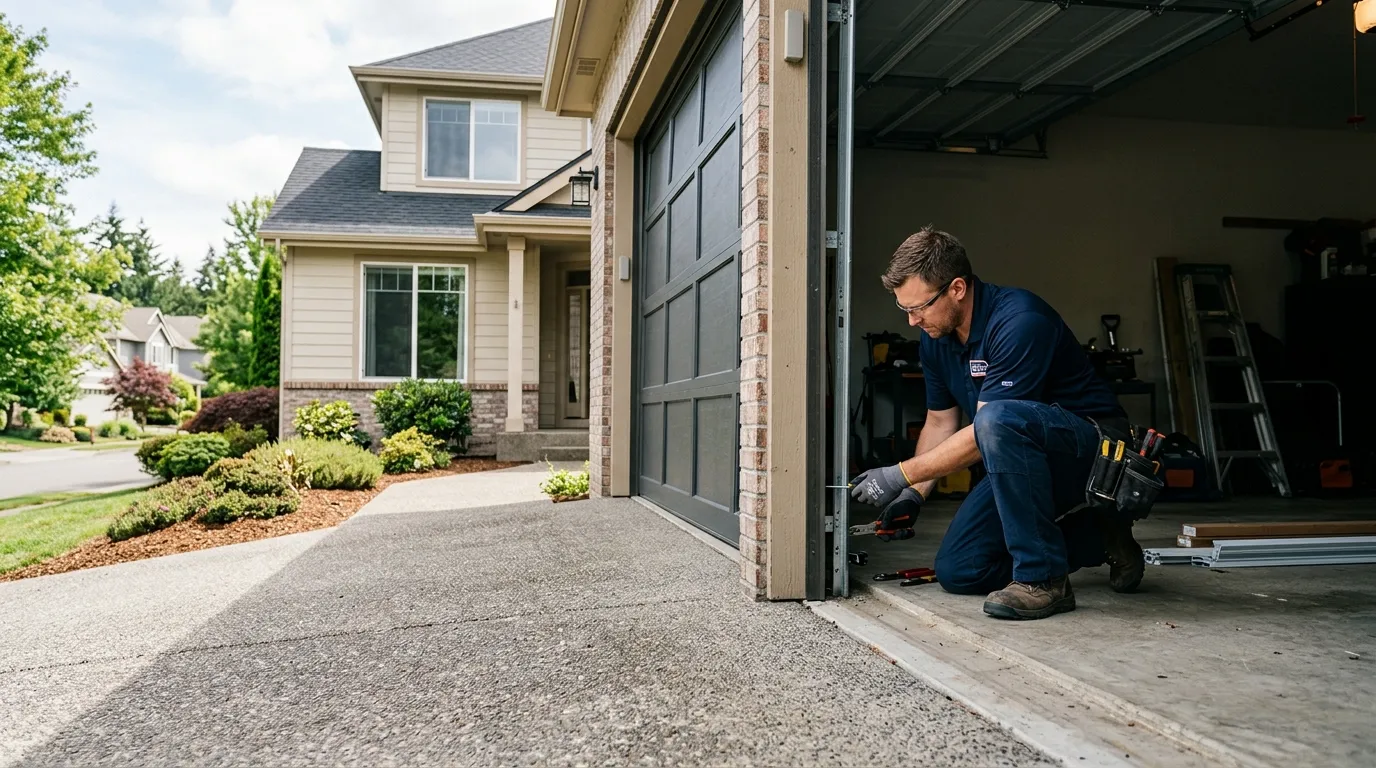
Recent work from this service line.
Why Hamilton Calls Us
Frequently Asked Questions
Will a standard-size door fit my garage if my house was built in the 1960s or 70s?
Usually, but not always. Most of Hamilton's housing dates from that era, and openings from that period can run narrower or shorter than what current standard doors assume. We measure the actual opening and the header depth before ordering so you're not stuck returning a door that doesn't clear the track.
Do I need a special door for Hamilton winters?
You need a door rated for a cold-severe climate, which means real insulation value and a bottom seal built to hold up against repeated freeze-thaw cycles, not just a foam-filled panel with a thin vinyl edge. A door that isn't rated for it will stiffen, bind, or let cold air through by the second winter.
Can I install a double-wide door myself?
We don't recommend it. Doors over roughly 16 feet wide are heavy enough, and the two-spring torsion setup carries enough stored force, that the risk isn't worth what you'd save. We're glad to handle just the hang and spring balance if you've done the framing prep yourself.
Why does my new-ish door still let in cold air?
Usually it's a mismatch between the door's insulation rating and the climate, or a seal that was never adjusted to the actual opening. If your house is on the older end of Hamilton's building range, the opening itself may have shifted slightly, leaving gaps a standard seal can't close.
Need Garage Door Installation for Hamilton, OH Homes?
Call now for straight answers on cost and timing.