
Hamilton Garage Door Guide
What a Garage Door Service Call Actually Covers in Hamilton
What a Hamilton Garage Door Pros service call actually covers, and why houses built in the 1960s and 70s around Hamilton, OH need a different kind of look.
What You Pay
We don't have a flat number to hand you here, and we're not going to guess one. What we can tell you is what goes into the bill.
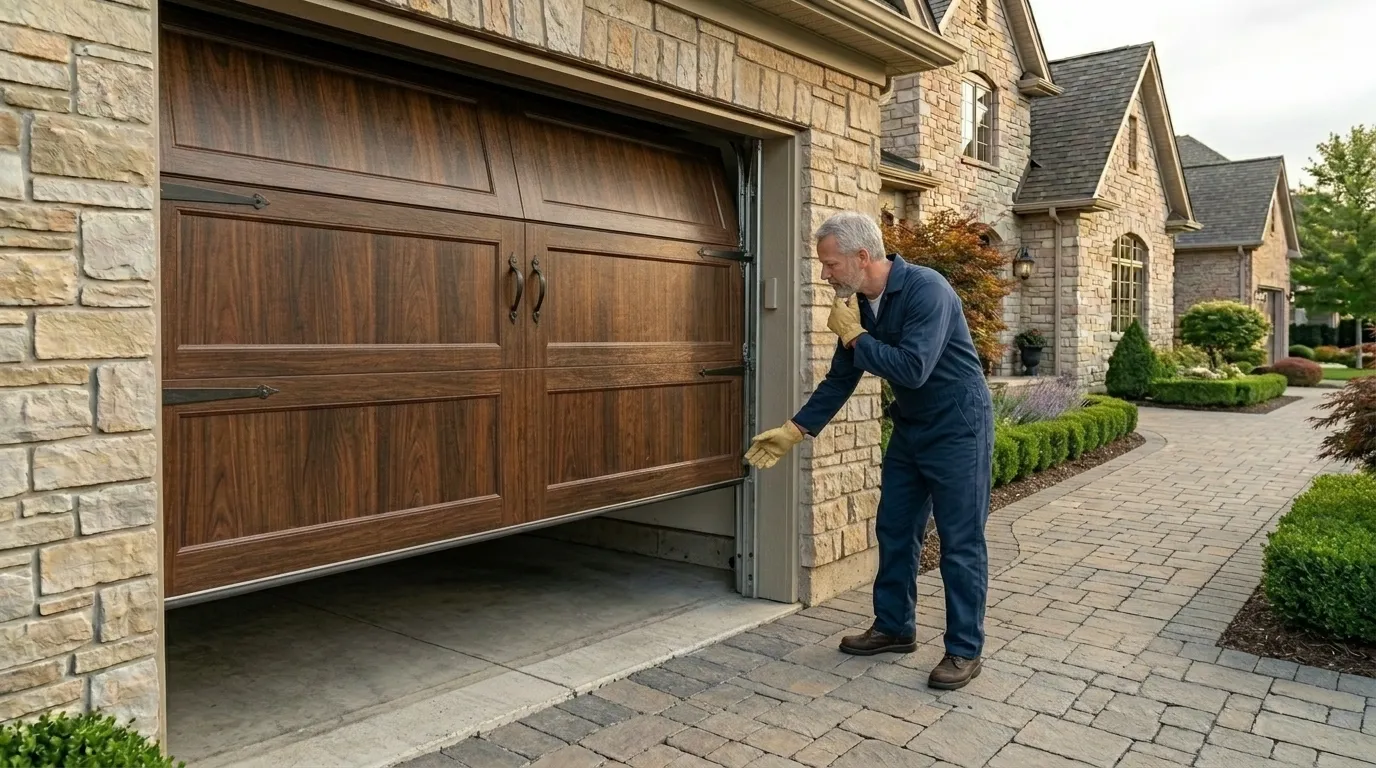
A service call covers the diagnostic look at the door, spring, opener, and track, plus whatever part actually fails. On a house built in the 1960s or 70s - which describes most of the stock across the 55 named areas we cover - that often means finding hardware that isn't stocked at the counter anymore, and that changes the job.
Median household income across the service area runs around $77,312, which tells us most calls here are homeowners making a practical repair-or-replace call, not chasing the fanciest opener on the shelf. We price the job after we see the door, not before, because a torsion spring swap and a bent track are two different jobs wearing the same complaint ("it won't open"). If a part needs ordering because the door predates current hardware, that adds time, and we'll tell you that up front instead of pretending it won't.
The Problem
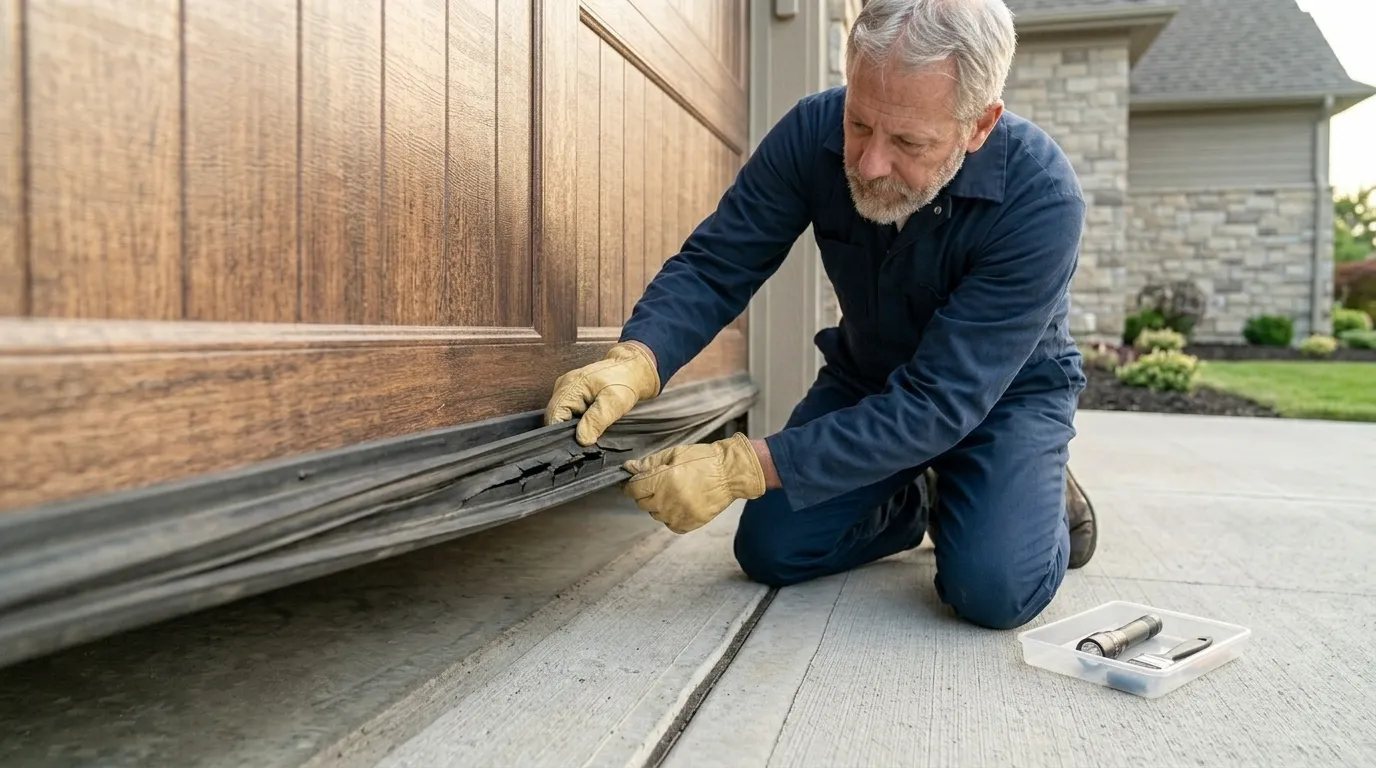
Most of the doors we open in Hamilton went up somewhere between 1938 and 2004, with the median build year around 1972. That matters because a door installed in 1972 was built for a lighter panel and a torsion spring rated to match it. Forty-plus years of temperature swings later, that spring has cycled tens of thousands of times more than it was rated for, and it doesn't fail gently - it fails on the cold morning you need the door most.
Hamilton sits in a cold-severe climate band, and that combination - old spring, hard freeze - is the single most common reason for the calls we get. Cold steel contracts, grease in the bearings stiffens, and a spring that was already near the end of its life gives out. The second most common problem is track alignment on doors from that same era, where decades of settling on the original slab have pulled the vertical track a few degrees off plumb.
Neither of these is dramatic. Both are predictable if you know the house's age.
Checking It Yourself
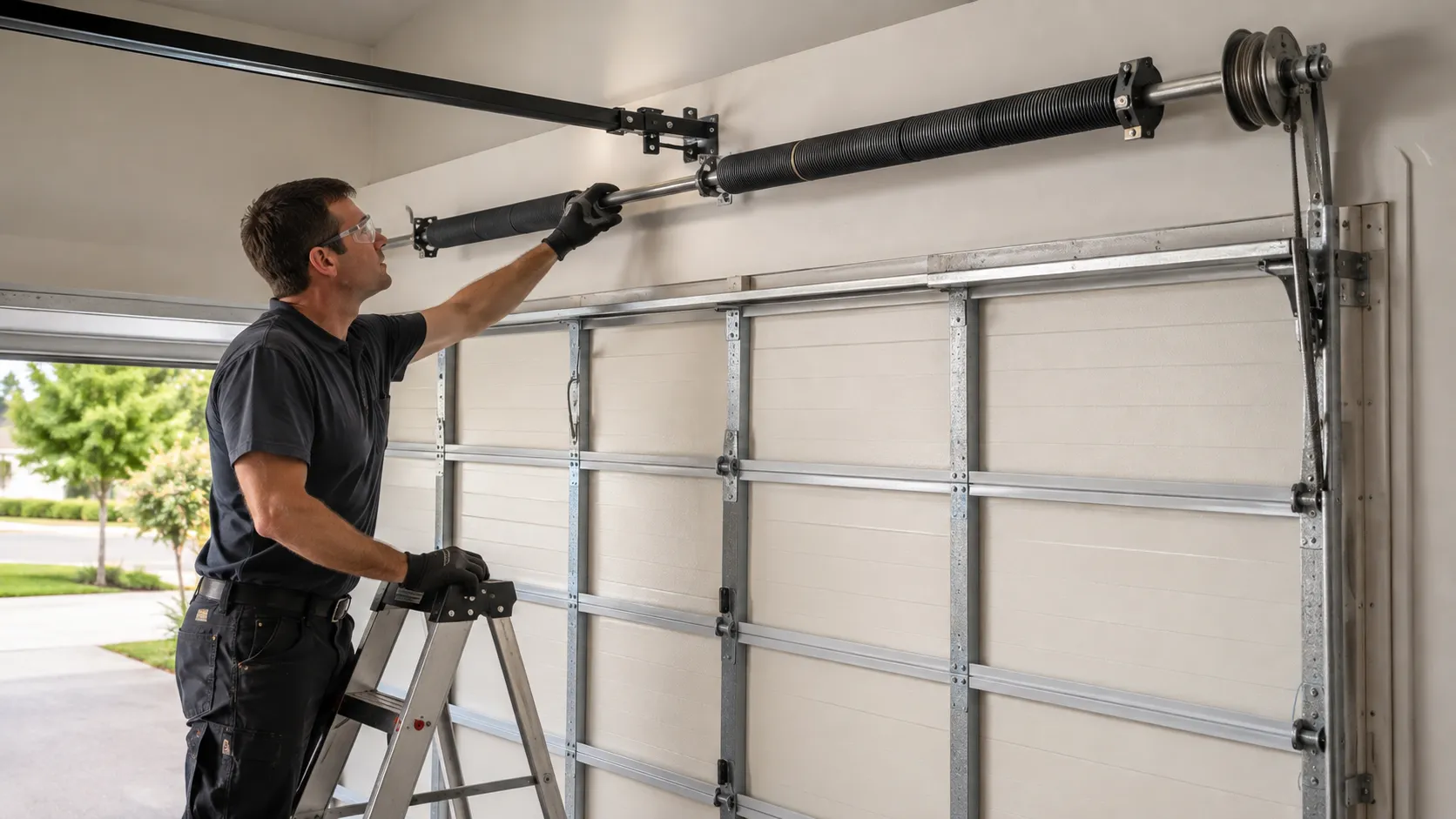
Before you call, there are a few things worth a look, especially on a house from the 1960s or 70s. Stand the door open halfway and let go - a torsion spring in good shape holds the door roughly in place. If it drops or shoots up, the spring is past due, and that's not a DIY fix; that's a call.
Check the track bolts where they meet the wall. On a lot of the older houses in this area, decades of frost-heave and settling have loosened them enough to let the track flex under load, which shows up as a grinding or popping sound partway through the cycle. Tighten what you can reach safely, but don't force a door that's binding - that's usually the track, not the opener, and forcing it bends the rail further.
Lastly, look at the bottom panel for rust or rot at the corners. On steel doors from this era, that's usually where moisture sits longest, and it's the first place a panel gives out.
What Local Conditions Do
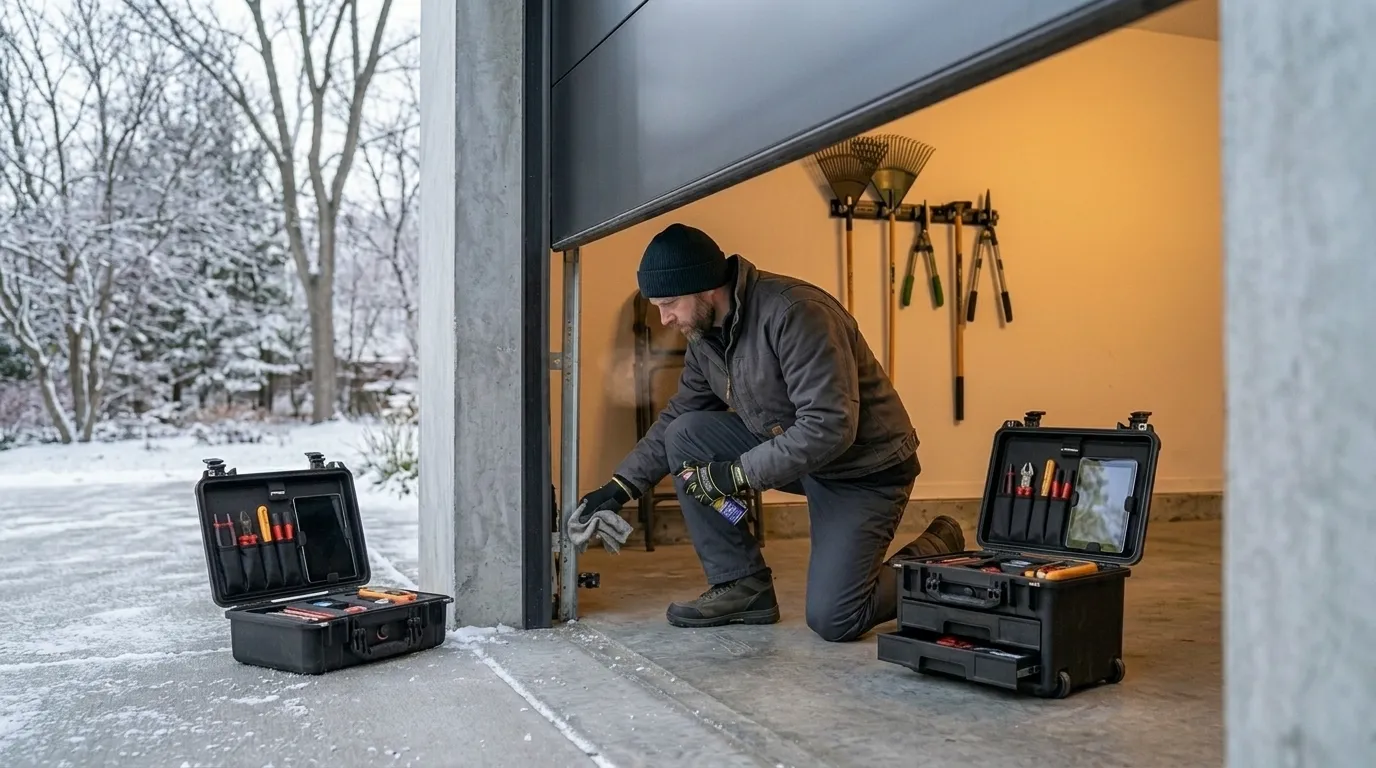
Cold-severe winters do specific things to garage doors that were installed for a milder assumption. Steel torsion springs lose tension faster in repeated freeze-thaw cycles than the manufacturer's rating accounts for, especially on doors that have already logged fifty-plus years of use - common on houses built anywhere from 1938 through the early 2000s across this area. Nylon rollers, if the door still has its originals, crack in the cold rather than wearing down gradually, which is why a roller failure here often shows up as a sudden bang rather than a slow squeal.
We hear the same story from Fairfield, four miles out, and from Seven Mile, six miles out: a door that worked fine in fall and won't lift on the first hard-freeze morning of the year. It's not bad luck, it's the spring giving up exactly when cold steel asks the most of it. Homes further out, in Ross or Beckett Ridge, eight miles from Hamilton, see the same pattern - it's a regional climate issue riding on top of a regional housing-age issue, not a coincidence tied to any one street.
How We Can Help
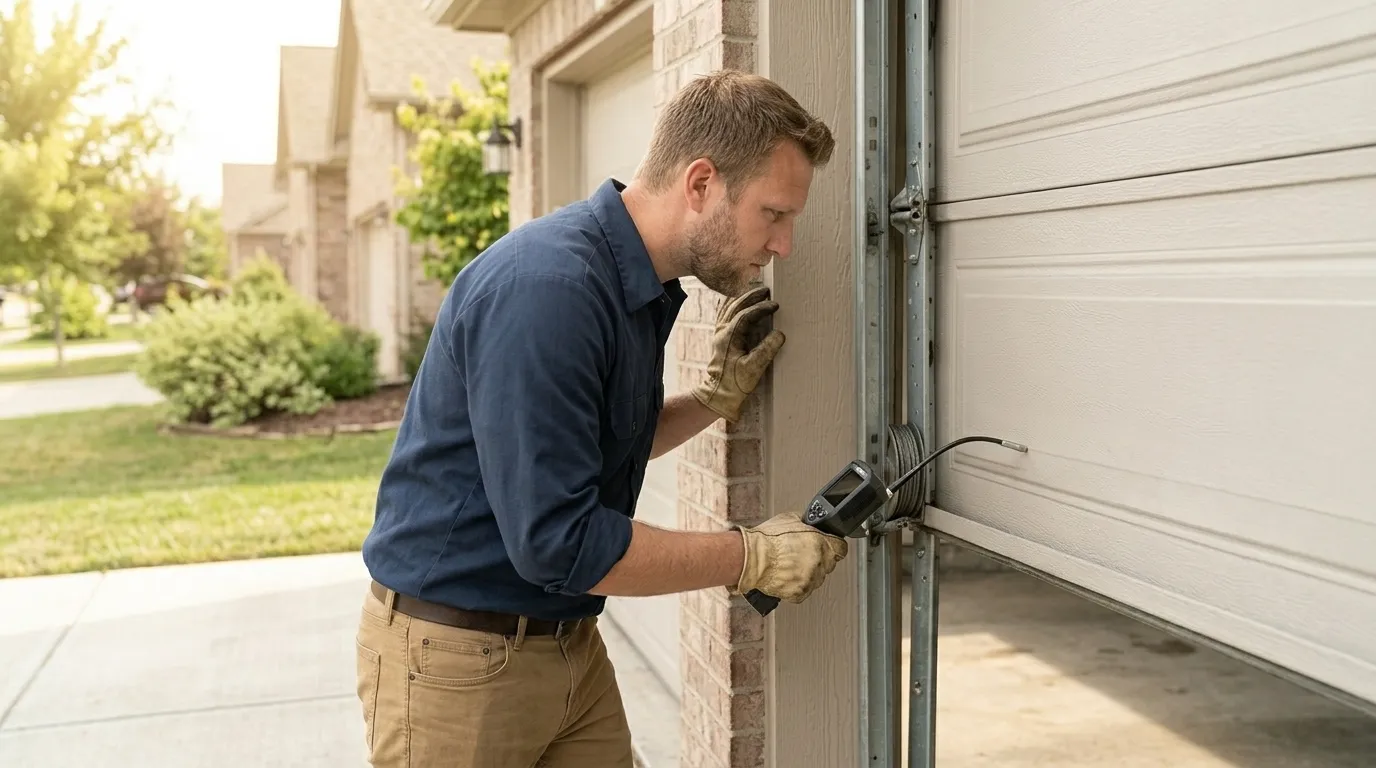
Garage Door Repair
Springs, cables, tracks, rollers, and openers fixed by a tech who explains the problem before touching anything.
Learn more →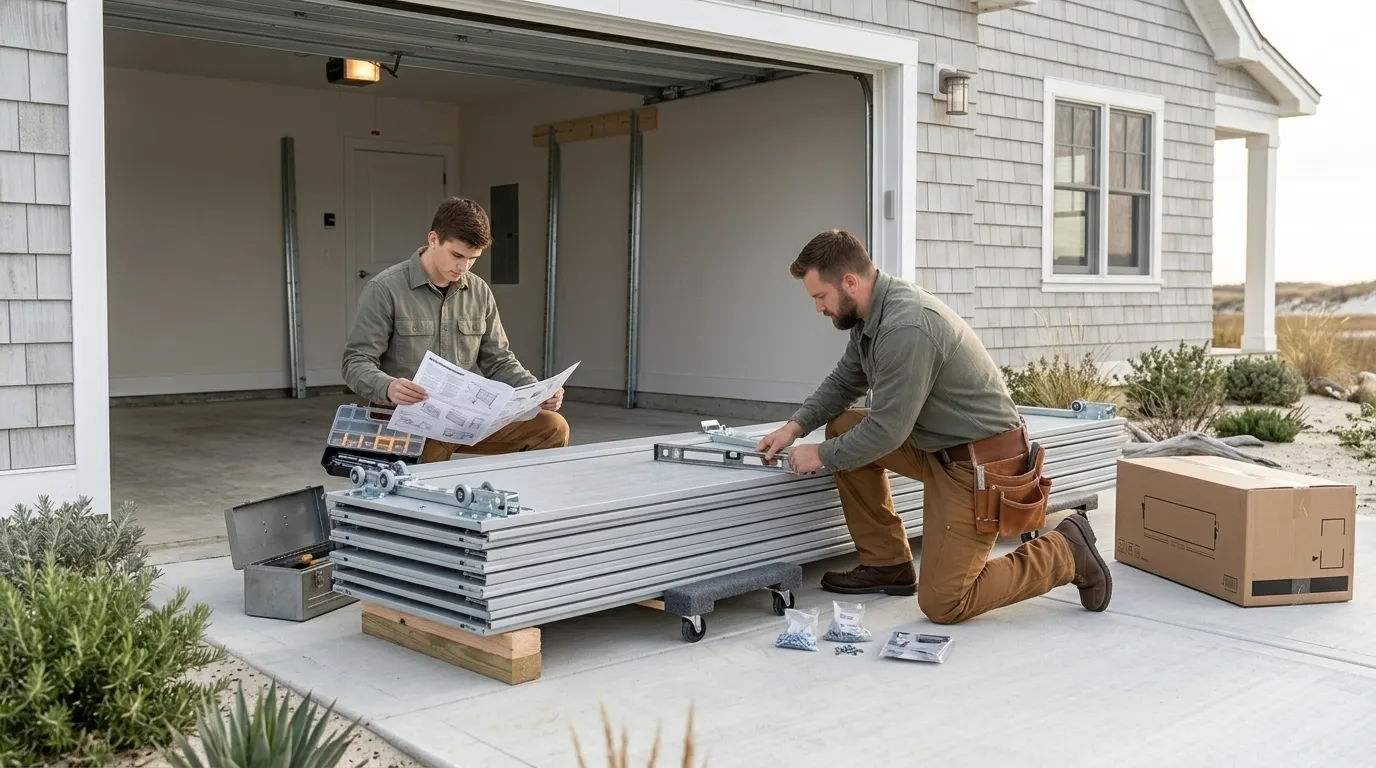
Garage Door Installation
New sectional doors sized and installed for the housing stock actually built in this area.
Learn more →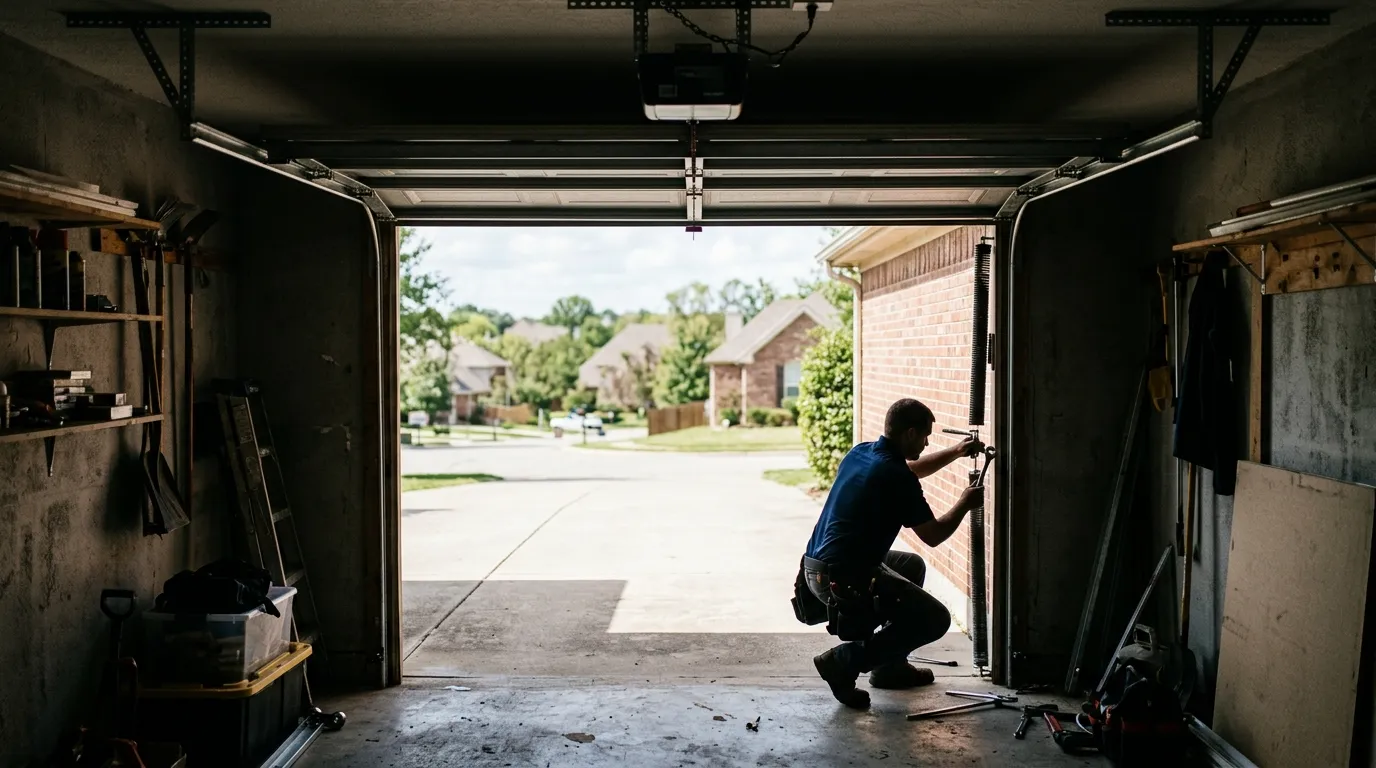
Garage Door Service
Tune-ups, lubrication, and safety checks that catch a small problem before it becomes a service call.
Learn more →Frequently Asked Questions
Why did my garage door spring break in the winter and not some other time?
Cold steel loses flex, and grease in the bearings stiffens, so a torsion spring that was already near the end of its rated cycles usually gives out on the first hard-freeze morning rather than gradually. This is common on the area's older housing stock, where springs have been in service since the 1960s-70s build years.
Is it worth repairing a door on a house built in the 1970s, or should I replace it?
Depends what's failing. A spring or a few rollers is almost always worth repairing on an otherwise sound door. If the track is bent from decades of settling and the panel is rusted through at the corners, replacement often costs less over time than chasing parts for hardware that isn't made anymore.
Do you stock parts for older garage doors?
We carry common torsion springs and rollers, but some original hardware from 1960s and 70s installations isn't produced anymore. If your door needs a discontinued part, we'll tell you that at the diagnostic visit rather than after the fact.
What's included in a standard service call?
A diagnostic check of the spring, track, opener, and cables, plus the repair itself if it's something we can do on site. We quote the job once we've seen the door in person, since a spring swap and a track repair are priced very differently.
Have a Door That Needs a Second Opinion?
Call and describe what it is doing - we will tell you what it likely is.